
Cedar Shake Siding Cost vs. Composite Alternatives (2026 Prices)
Kicking off with Cedar Shake Siding Cost vs. Composite Alternatives (2026 Prices), this opening paragraph is designed to captivate and engage the readers, providing a comprehensive overview of the comparison between cedar shake siding and composite alternatives. We delve into the key differences in appearance, advantages, and disadvantages of each option to help you make an informed decision.
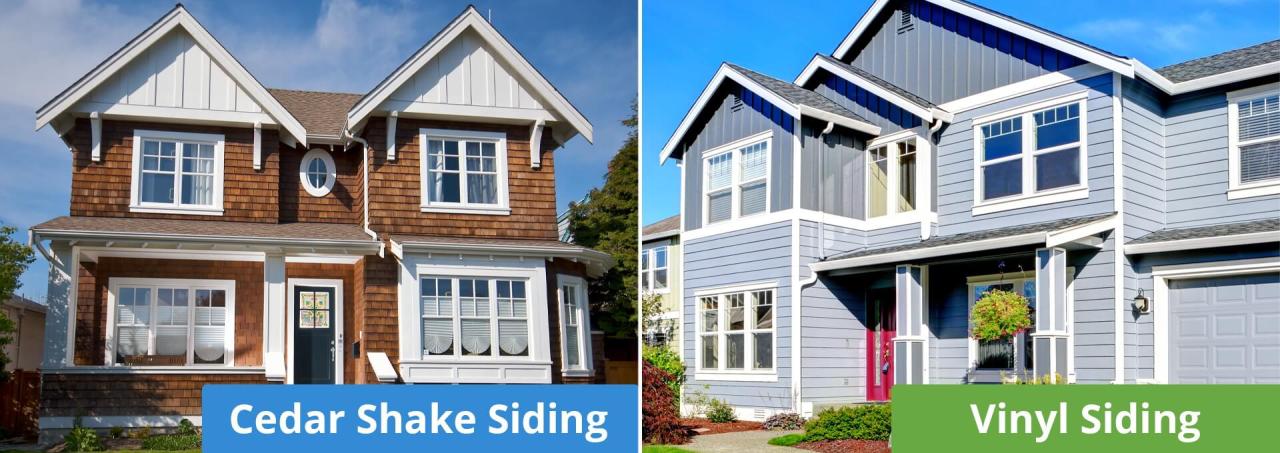
Cedar shake siding and composite alternatives are popular choices for exterior cladding due to their durability and aesthetic appeal. Cedar shake siding is made from natural cedar wood, giving it a rustic and traditional look. It offers a unique texture and color variation that adds character to a home.
However, cedar shake siding requires regular maintenance, such as staining or sealing, to prevent rot and decay.On the other hand, composite alternatives are typically made from a combination of wood fibers and recycled plastics. They are designed to mimic the look of natural wood without the maintenance requirements.
Composite siding is often more durable and resistant to rot, insects, and moisture compared to cedar shake siding.
Composite alternatives tend to have a more uniform appearance, as they are manufactured to replicate the look of cedar shake siding. While cedar shake siding offers a more natural and authentic appearance with its unique grain patterns and color variations.
When considering the cost of cedar shake siding versus composite alternatives, it is important to take into account various factors that contribute to the overall expense of installation. Both options have unique cost components that can impact the initial investment required for your home exterior.
When comparing the initial installation costs of cedar shake siding and composite alternatives, it is important to consider the overall expenses involved in each option. While cedar shake siding may have a higher upfront cost due to the quality of the wood and labor-intensive installation process, composite alternatives may also require a significant investment depending on the brand and complexity of the product.
Ultimately, the decision between cedar shake siding and composite alternatives will depend on your budget, aesthetic preferences, and long-term maintenance considerations.
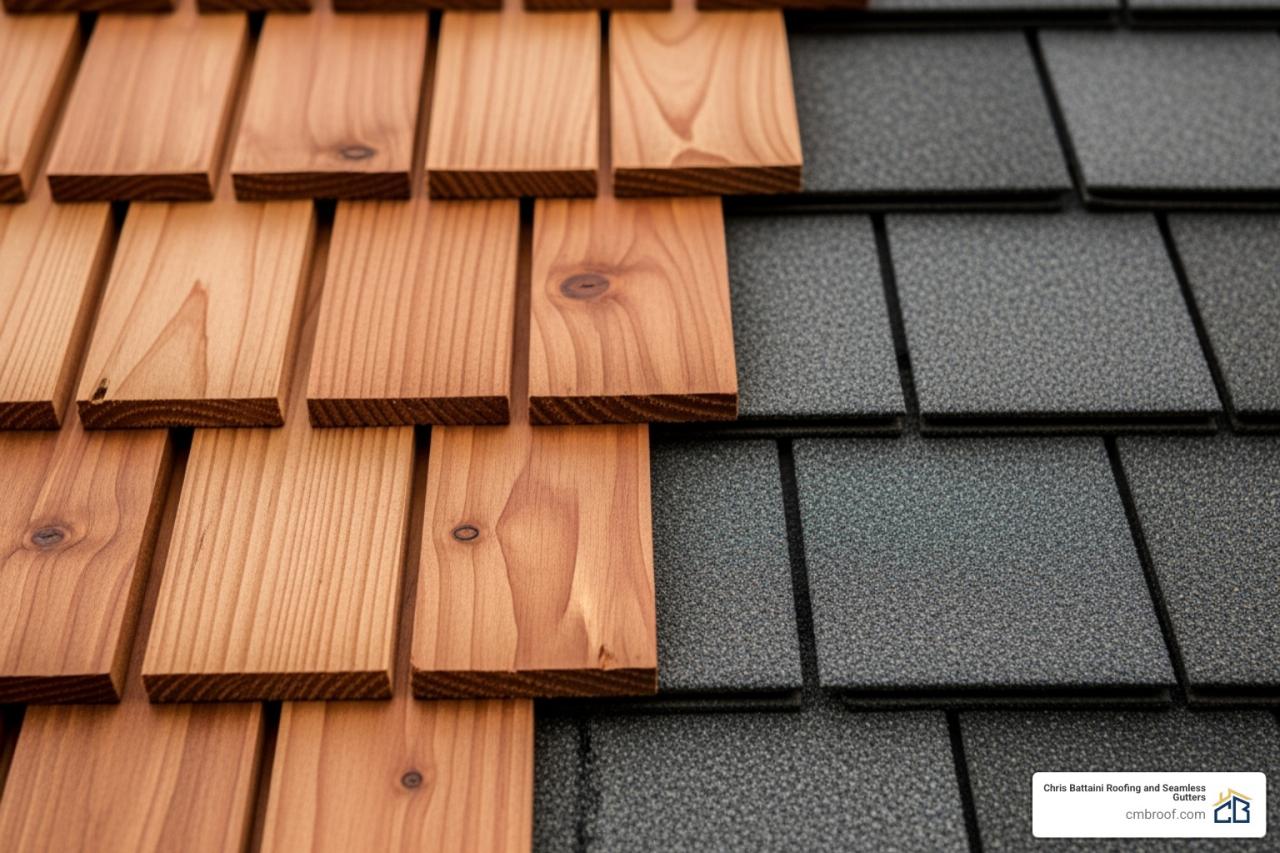
When it comes to maintaining the beauty and durability of your home’s exterior, both cedar shake siding and composite alternatives require regular upkeep to ensure longevity. Understanding the specific maintenance requirements for each material can help you make an informed decision based on your budget and time constraints.
Cedar shake siding is a natural wood product that requires regular maintenance to protect it from the elements and prevent decay. Here are some key maintenance tasks for cedar shake siding:
Composite alternatives, such as fiber cement or vinyl siding, generally require less maintenance compared to cedar shake siding. Here are the maintenance requirements for composite alternatives:
While cedar shake siding may have a higher initial cost compared to composite alternatives, the long-term maintenance costs should also be taken into account. Cedar shake siding requires more frequent maintenance tasks, such as staining and sealing, which can add up over time.
On the other hand, composite alternatives may have lower maintenance costs due to their durability and resistance to the elements.
When considering the environmental impact of building materials like cedar shake siding and composite alternatives, it is essential to analyze their sustainability and eco-friendliness. Let’s delve into how these options stack up in terms of their environmental footprint.
Cedar shake siding is known for being a natural and renewable material. Cedar trees can be sustainably harvested, making them a more environmentally friendly choice compared to non-renewable resources. Additionally, cedar shake siding is biodegradable, which reduces its impact on landfills.
However, the process of treating cedar shakes with chemicals for durability can raise concerns about potential environmental harm.
Composite alternatives, such as vinyl or fiber cement siding, are manufactured using a combination of recycled materials and virgin components. While this can reduce the demand for new resources, the production process of composite materials may involve the use of energy-intensive methods.
Additionally, the disposal of composite materials at the end of their lifespan can pose challenges in terms of recycling and decomposition, leading to potential environmental issues.
Various certifications and standards exist to assess the environmental impact of building materials. For cedar shake siding, certifications like the Forest Stewardship Council (FSC) ensure that the cedar used is sourced from responsibly managed forests. On the other hand, composite alternatives may carry certifications related to their recycled content or energy-efficient manufacturing processes.
These certifications can help consumers make informed decisions based on the environmental performance of the materials they choose.
What are the main differences in appearance between cedar shake siding and composite alternatives?
Answer: Cedar shake siding offers a natural, rustic look, while composite alternatives mimic various materials like wood or stone.
What factors contribute to the cost of composite alternatives compared to cedar shake siding?
Answer: Composite alternatives may have higher upfront costs due to the manufacturing process and materials used.
How do the maintenance requirements for cedar shake siding differ from those of composite alternatives?
Answer: Cedar shake siding typically requires more maintenance, such as staining and sealing, compared to low-maintenance composite alternatives.
Are there any certifications or standards related to the environmental impact of cedar shake siding and composite alternatives?
Answer: Look for certifications like FSC (Forest Stewardship Council) for cedar shake siding and eco-friendly labels for composite alternatives to gauge their environmental impact.