Vinyl vs. James Hardie Siding: Ultimate Cost and ROI Comparison
Starting off with Vinyl vs. James Hardie Siding: Ultimate Cost and ROI Comparison, we delve into a comprehensive analysis that sheds light on the key differences between these two popular siding options.
The following paragraphs will provide a detailed breakdown of durability, cost, ROI analysis, and maintenance requirements for both vinyl and James Hardie siding, offering valuable insights for homeowners looking to make an informed decision.
When it comes to durability, both vinyl siding and James Hardie siding have their own strengths and weaknesses. Let’s take a closer look at how each type of siding holds up against various factors.
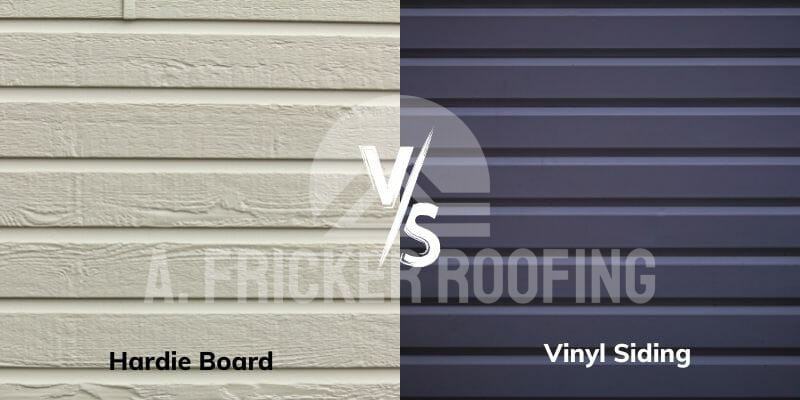
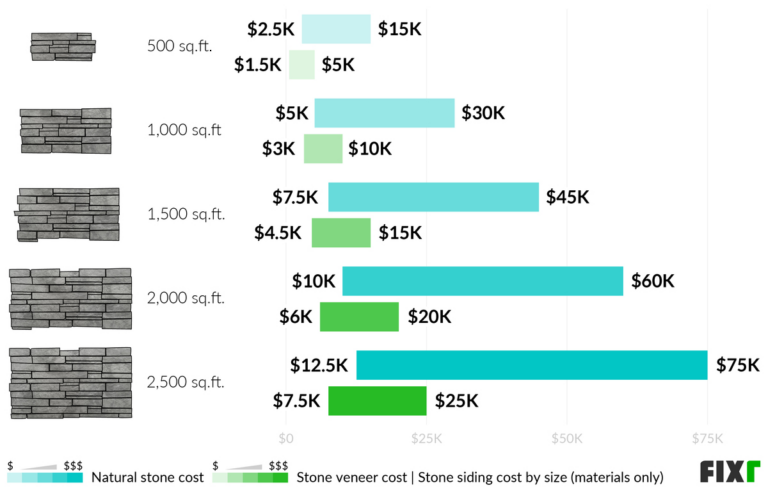
When considering siding options for your home, cost is a significant factor to take into account. In this section, we will break down the costs associated with both vinyl siding and James Hardie siding, analyzing both the upfront installation costs and any potential long-term savings each option may offer.
When comparing the upfront costs of installation, it is evident that vinyl siding is more budget-friendly than James Hardie siding. Vinyl siding comes at a lower cost per square foot, and the installation expenses are also generally lower compared to James Hardie siding.
Homeowners looking for a more cost-effective option upfront may lean towards vinyl siding.
While vinyl siding may have lower upfront costs, James Hardie siding is known for its durability and longevity. James Hardie siding typically requires less maintenance and is more resistant to damage from elements like weather, pests, and moisture. This can result in potential long-term cost savings for homeowners, as they may not need to invest in repairs or replacements as frequently as with vinyl siding.
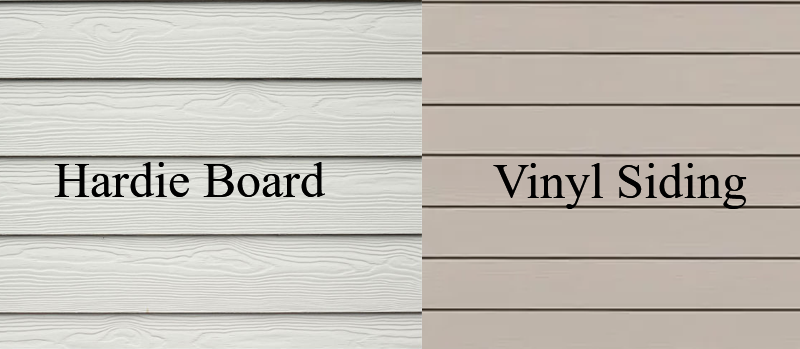
When it comes to evaluating the return on investment (ROI) of choosing between vinyl siding and James Hardie siding, it is important to consider how each type of siding can impact the overall value of a property.
Both vinyl siding and James Hardie siding can positively impact the value of a property. High-quality siding enhances curb appeal, protects the home from the elements, and can increase the overall marketability of the property.
While both types of siding can contribute to the resale value of a home, James Hardie siding is often perceived as a premium option that can potentially command a higher resale value compared to vinyl siding. Buyers may be willing to pay more for a home with James Hardie siding due to its reputation for durability and aesthetic appeal.
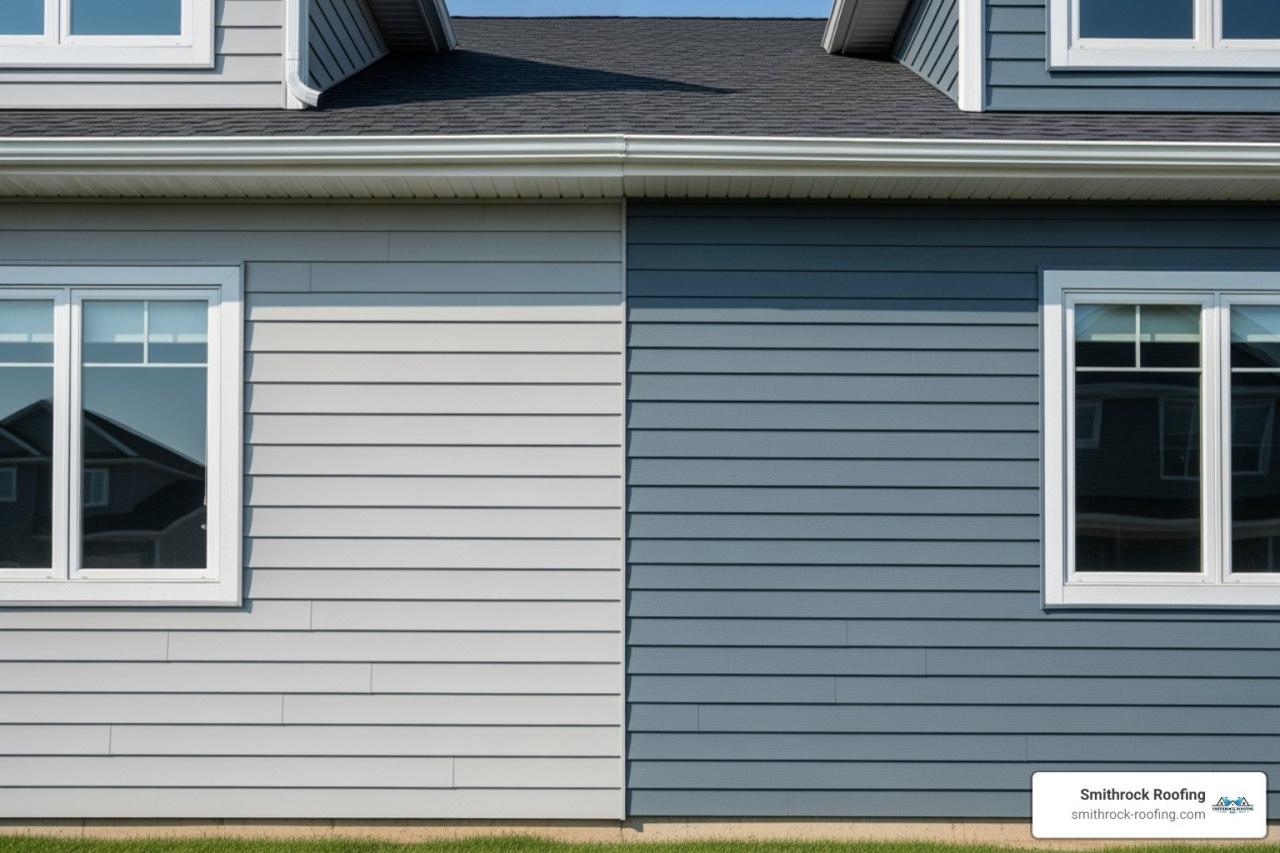
Vinyl siding and James Hardie siding have different maintenance requirements that can impact the overall cost and longevity of the materials.
Which type of siding is more durable, vinyl or James Hardie?
James Hardie siding is generally considered more durable than vinyl siding due to its composition of fiber cement, which provides better resistance against elements like weather, pests, and wear and tear.
Is James Hardie siding more expensive than vinyl siding?
Yes, James Hardie siding typically comes with a higher upfront cost compared to vinyl siding. However, its durability and long-term cost savings might offset the initial investment over time.
Which siding option offers a better return on investment?
The return on investment can vary based on factors like property location and market trends. Generally, James Hardie siding tends to yield a higher ROI due to its premium quality and durability.
What maintenance tasks are required for vinyl siding compared to James Hardie siding?
Vinyl siding is relatively low maintenance, requiring occasional cleaning. On the other hand, James Hardie siding may need repainting over time but offers better longevity with proper care.