
Modern Architectural Cladding Options: Aluminium vs. Zinc Cost Comparison
Exploring the world of modern architectural cladding options, this article delves into the comparison between aluminium and zinc costs. Get ready to uncover the secrets behind these popular materials and how they impact building design.
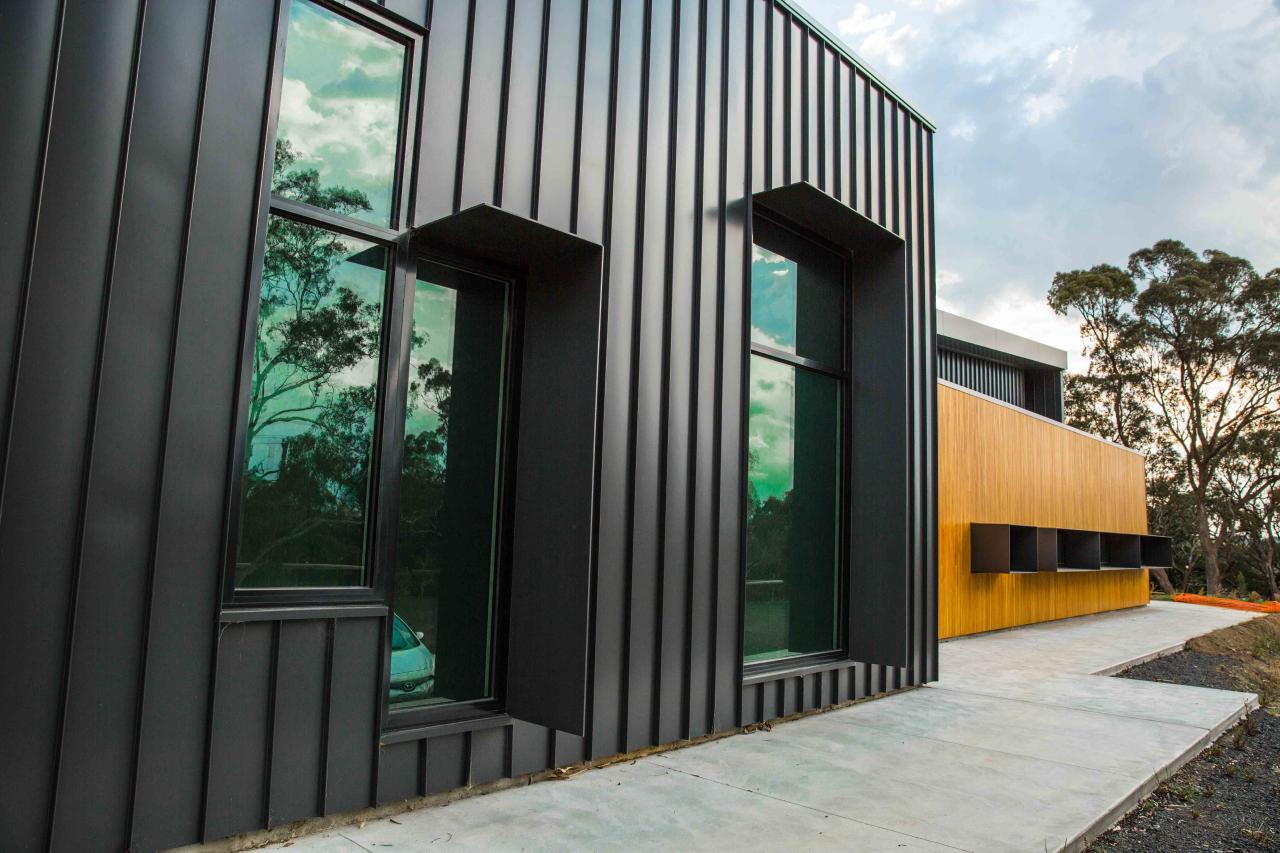
Architectural cladding plays a crucial role in modern building design, not only providing protection against the elements but also significantly impacting the overall aesthetics of a structure. The choice of cladding material can enhance the visual appeal, functionality, and sustainability of a building.
Architectural cladding serves as the outer layer of a building, protecting it from weather conditions such as rain, wind, and sunlight. It also acts as a thermal insulator, contributing to energy efficiency and reducing heating and cooling costs. Furthermore, cladding can improve the durability and longevity of a building, making it a crucial element in the construction industry.
The materials used for cladding, such as aluminium and zinc, not only impact the appearance of a building but also influence its functionality. Aluminium cladding offers a lightweight option with a sleek and modern look, while zinc cladding provides a more traditional aesthetic with excellent durability and weather resistance.
The choice of cladding material can transform the overall design of a building, creating a unique and distinctive architectural statement.
Aluminium cladding is a popular choice for modern architectural designs due to its versatility and aesthetic appeal. It offers a sleek and contemporary look to buildings, making it a preferred option for many architects and designers.
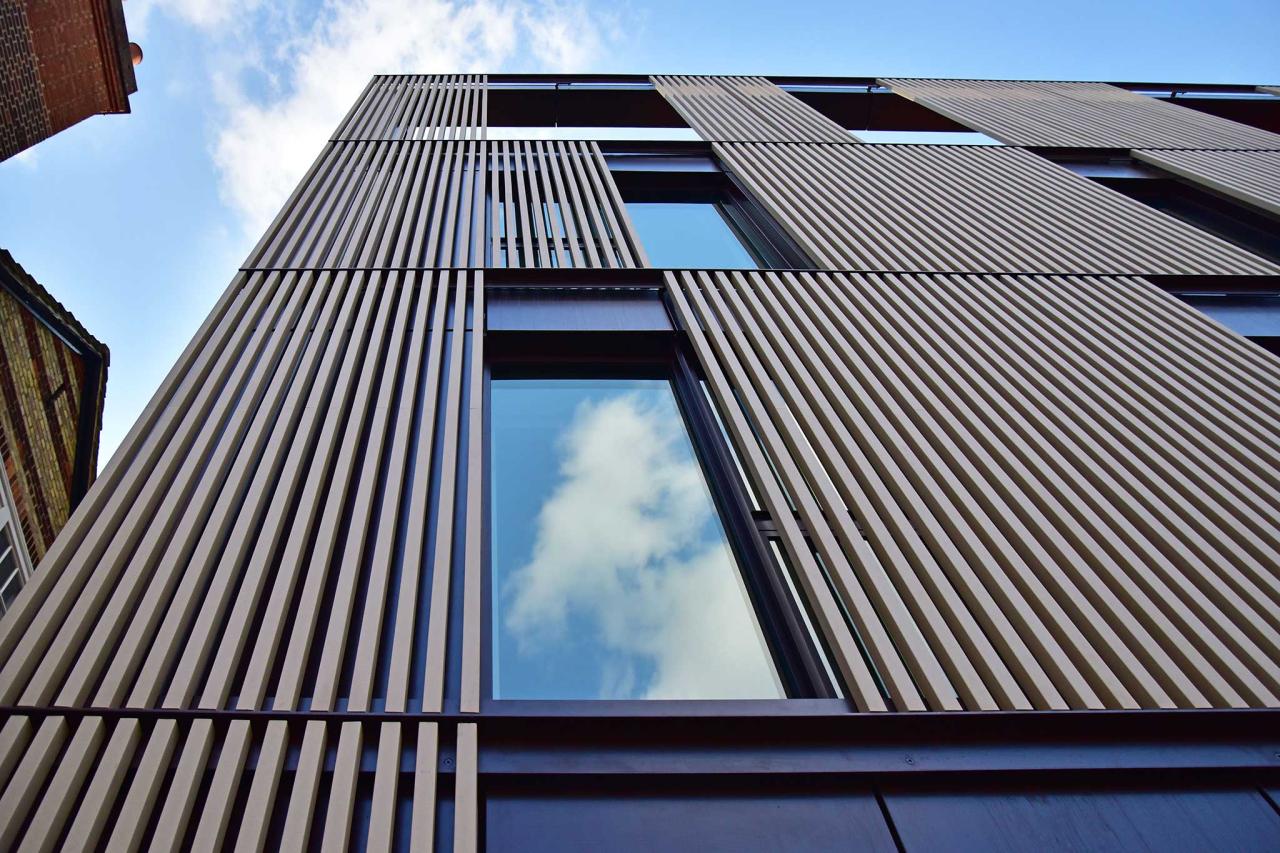
Zinc is a popular choice for architectural cladding due to its unique properties that offer both functional and aesthetic benefits. Zinc is a durable material that is resistant to corrosion, making it a long-lasting cladding option for buildings. It is also a lightweight material, which makes it easier to work with during installation.
Additionally, zinc develops a natural patina over time, giving it a distinct weathered look that adds character to the building facade.
When it comes to aesthetics, zinc cladding offers a sleek and modern appearance that can enhance the overall design of a building. Its versatility allows for a variety of installation techniques, including standing seam panels or shingles, creating unique patterns and textures on the facade.
The natural patina that develops on zinc over time adds a dynamic element to the building’s exterior, creating a visually appealing finish.
Zinc is a highly sustainable material that is 100% recyclable and has a low environmental impact. Its long lifespan reduces the need for frequent replacements, contributing to the overall sustainability of a building. Additionally, the energy required to produce zinc is relatively low compared to other metals, making it an eco-friendly choice for architectural cladding.
When it comes to choosing between aluminium and zinc cladding for your architectural project, cost is a crucial factor to consider. Let’s break down the cost factors for each material and analyze the initial installation costs as well as long-term maintenance expenses to determine the cost-effectiveness of aluminium versus zinc over time.
What are the main factors to consider when choosing between aluminium and zinc cladding?
The main factors include cost, durability, aesthetics, and maintenance requirements. Each material offers unique benefits that cater to different architectural needs.
Is zinc cladding more environmentally friendly compared to aluminium?
Yes, zinc is known for its sustainability and recyclability, making it a popular choice for eco-conscious builders looking to reduce their environmental footprint.
Which material, aluminium or zinc, requires less maintenance over time?
Aluminium typically requires less maintenance compared to zinc, as it is corrosion-resistant and retains its appearance for longer periods without significant upkeep.