Itemized vs. Lump-Sum Roofing Estimates: Which Protects Property Owners Better?
Exploring the debate between Itemized vs. Lump-Sum Roofing Estimates: Which Protects Property Owners Better?, this introduction sets the stage for an in-depth analysis of the topic, providing valuable insights for property owners facing this decision.
Detailing the key differences and considerations between itemized and lump-sum estimates, this discussion aims to shed light on the best option for property owners.
Roofing estimates play a crucial role in property maintenance and repair. When it comes to choosing between itemized and lump-sum estimates, property owners need to understand the differences to make informed decisions.
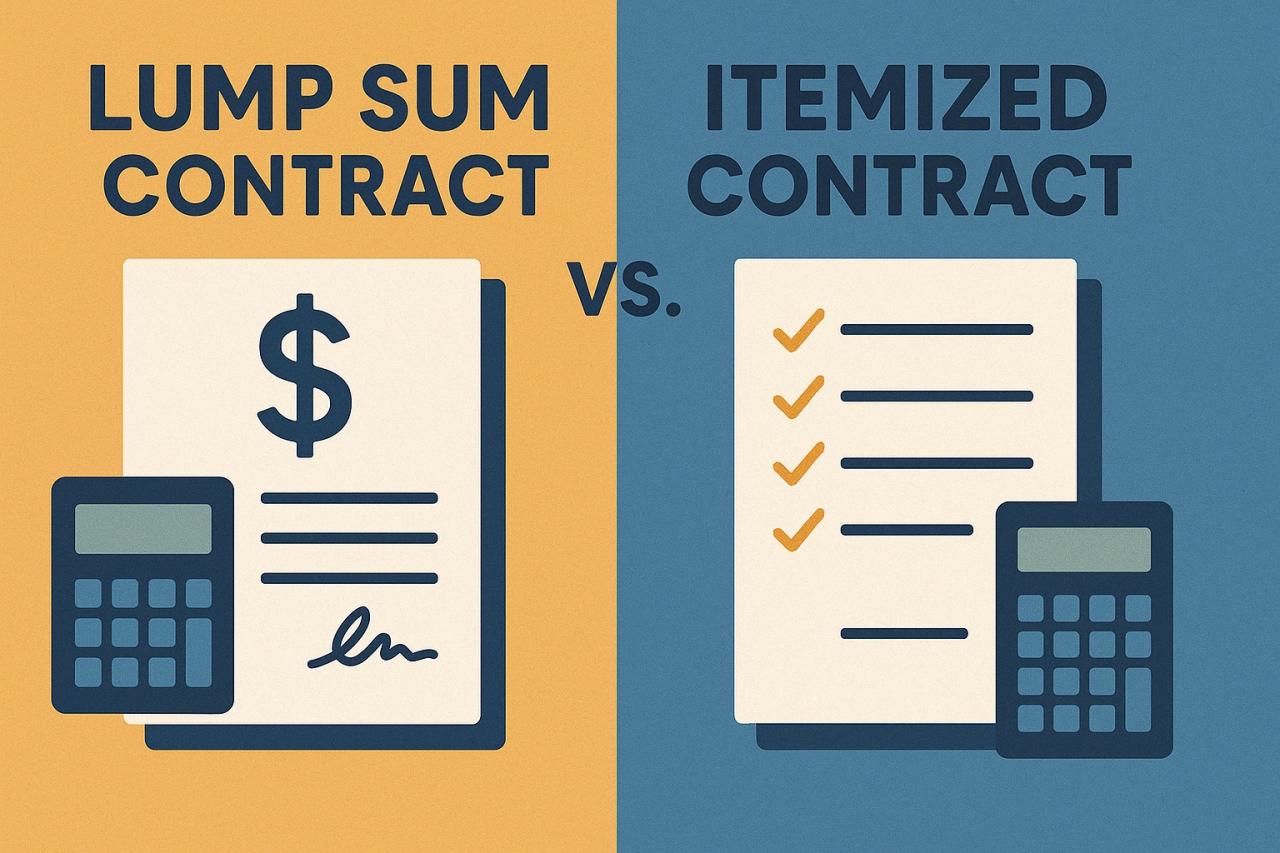
Itemized roofing estimates provide a breakdown of all the costs involved in a roofing project, including materials, labor, and additional expenses. On the other hand, lump-sum estimates offer a single total cost for the entire project without detailed breakdowns.
Choosing the right type of estimate is essential for property owners to have clarity on the costs involved and ensure transparency in the project. Itemized estimates allow for better understanding of expenses and help in making budget adjustments. In contrast, lump-sum estimates provide a convenient total cost but may lack transparency.
When deciding between itemized and lump-sum roofing estimates, property owners need to carefully weigh various factors to make an informed choice that suits their needs and budget.
Itemized estimates provide a breakdown of all the costs involved in the roofing project, offering transparency to property owners. This detailed breakdown allows property owners to see exactly where their money is going, making it easier to understand the pricing and make informed decisions.
Itemized estimates offer a high level of detail, outlining each individual cost component such as materials, labor, permits, and any additional services. This detailed breakdown helps property owners understand the scope of work and ensures they are not caught off guard by hidden costs.
Lump-sum estimates provide a single total cost for the entire roofing project, which may seem convenient at first. However, property owners should be aware that lump-sum estimates can sometimes lead to unexpected costs if the scope of work changes or unforeseen issues arise during the project.
This lack of transparency can put property owners at risk of budget overruns.
Itemized estimates offer flexibility to property owners as they can choose which components of the project they want to prioritize or adjust based on their budget. On the other hand, lump-sum estimates may limit the flexibility of property owners as changes to the project scope may result in additional costs that were not accounted for in the original estimate.
When it comes to protecting property owners against unexpected expenses, the type of roofing estimate chosen can make a significant difference. Let’s explore how itemized and lump-sum estimates address this crucial aspect of cost management.
Itemized estimates provide a detailed breakdown of all the costs involved in a roofing project. This transparency allows property owners to clearly see where their money is going, making it easier to identify potential areas for cost savings. By knowing exactly what each component of the project costs, property owners are better equipped to budget effectively and avoid surprises along the way.
On the other hand, lump-sum estimates present a higher risk of hidden costs. Without a detailed breakdown of expenses, property owners may be unaware of what specific services or materials are included in the overall cost. This lack of transparency can leave property owners vulnerable to unexpected charges that were not accounted for in the initial estimate.
When it comes to risk management, itemized estimates offer a more proactive approach. Property owners can review each cost item individually, assess its necessity, and make informed decisions about where to allocate their budget. In contrast, lump-sum estimates require property owners to trust that all potential costs are included in the total sum, which can lead to financial surprises down the line.
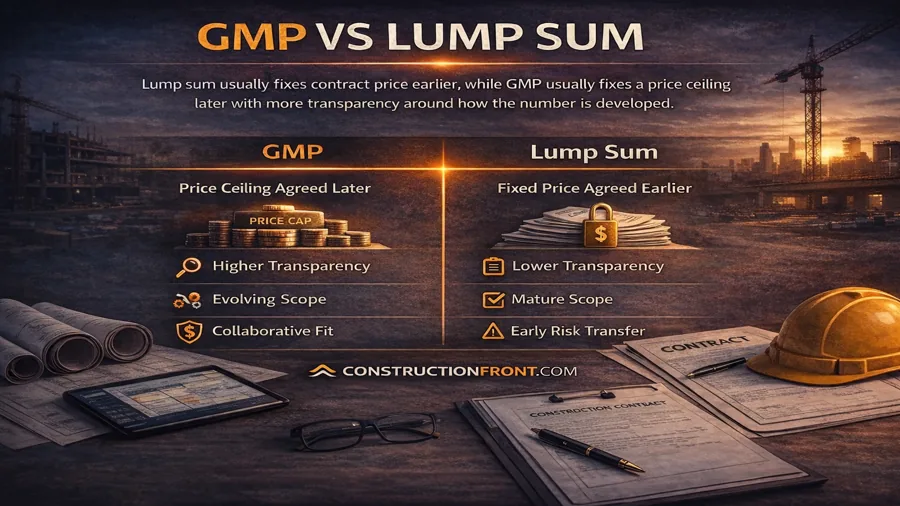
Itemized estimates provide clarity on the scope of work, offering a detailed breakdown of all the individual costs involved in the roofing project. This breakdown helps property owners understand exactly what they are paying for and allows them to make informed decisions based on the specific components of the job.
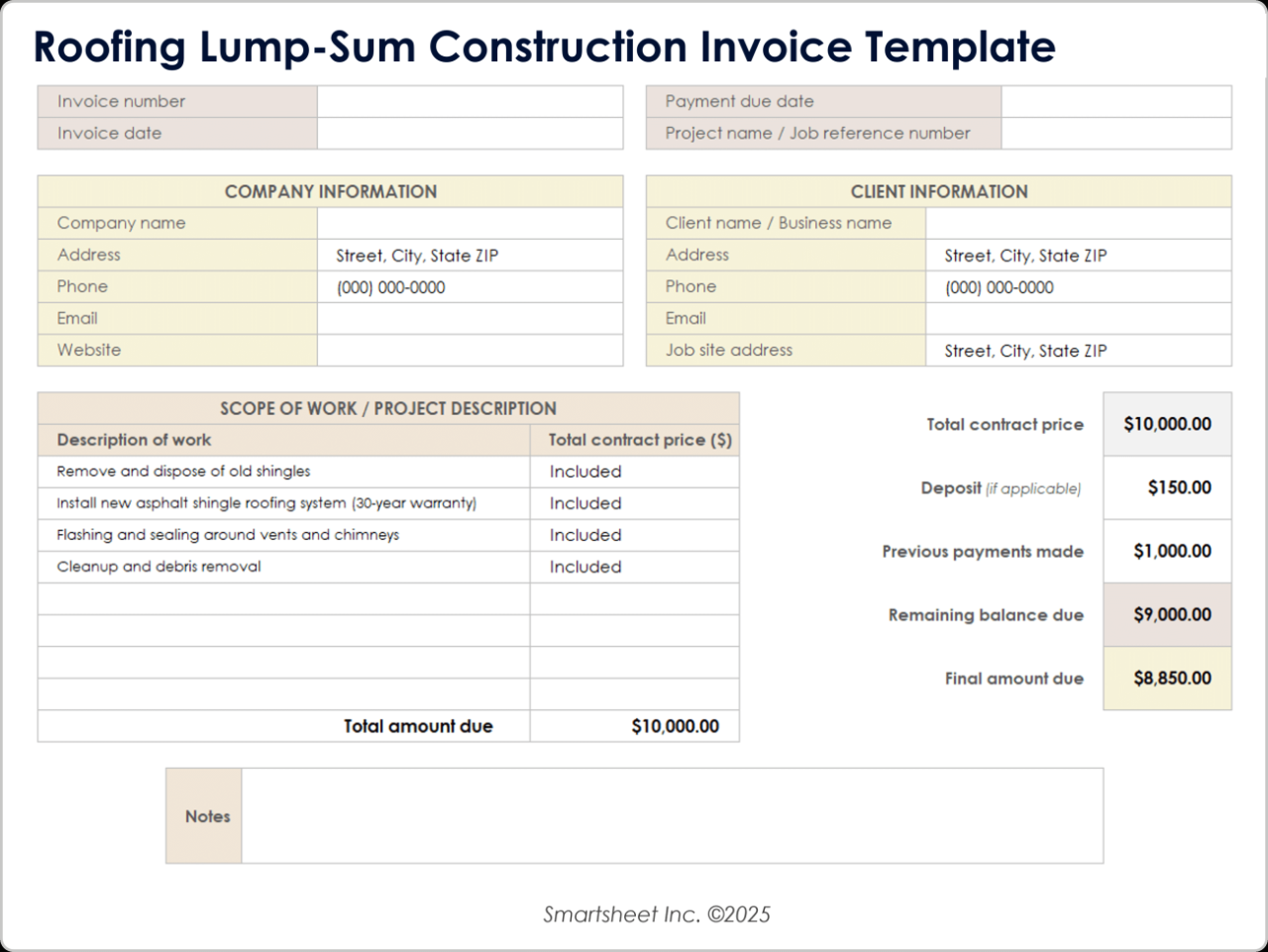
When considering roofing estimates, property owners must weigh the advantages and disadvantages of itemized and lump-sum estimates to make an informed decision.
Overall, itemized estimates offer property owners better protection by providing transparency, flexibility, and accuracy in cost breakdowns. This allows property owners to make well-informed decisions and have more control over their roofing project. On the other hand, lump-sum estimates may lead to confusion, overcharging, and limited flexibility, potentially putting property owners at a disadvantage during the roofing process.
How do itemized estimates differ from lump-sum estimates?
Itemized estimates provide a breakdown of costs and services, offering transparency, while lump-sum estimates provide a single total cost without detailed specifics.
Which type of estimate is more likely to protect property owners from unexpected expenses?
Itemized estimates are generally better at protecting property owners from unexpected costs as they provide a clear breakdown of expenses, minimizing surprises.
Are lump-sum estimates more flexible compared to itemized estimates?
Lump-sum estimates are often less flexible as any additional work not accounted for in the initial estimate may result in extra charges for property owners.