Hidden Costs on Roof Estimates: Rotten Decking, Flashing, and Disposal Fees
Beginning with Hidden Costs on Roof Estimates: Rotten Decking, Flashing, and Disposal Fees, the narrative unfolds in a compelling and distinctive manner, drawing readers into a story that promises to be both engaging and uniquely memorable.
Exploring the realm of roofing estimates reveals a multitude of hidden costs that can significantly impact project budgets. From rotten decking to flashing issues and disposal fees, these unforeseen expenses can pose challenges during roof renovations and replacements.
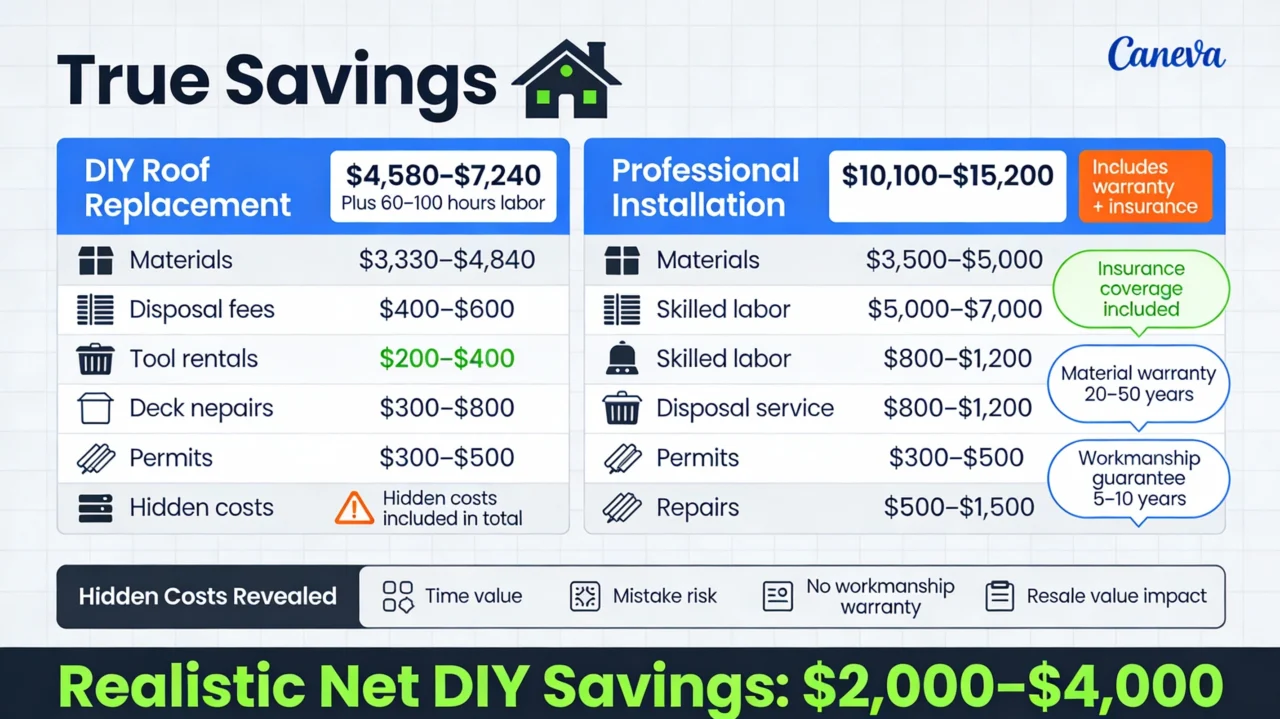
When it comes to getting a roof estimate, it’s important to be aware of potential hidden costs that may not be initially included in the quote. These hidden costs can significantly impact the overall budget of your roofing project and catch you off guard if you’re not prepared.
Let’s delve into some common hidden costs associated with roof estimates and how they can arise during roofing projects.
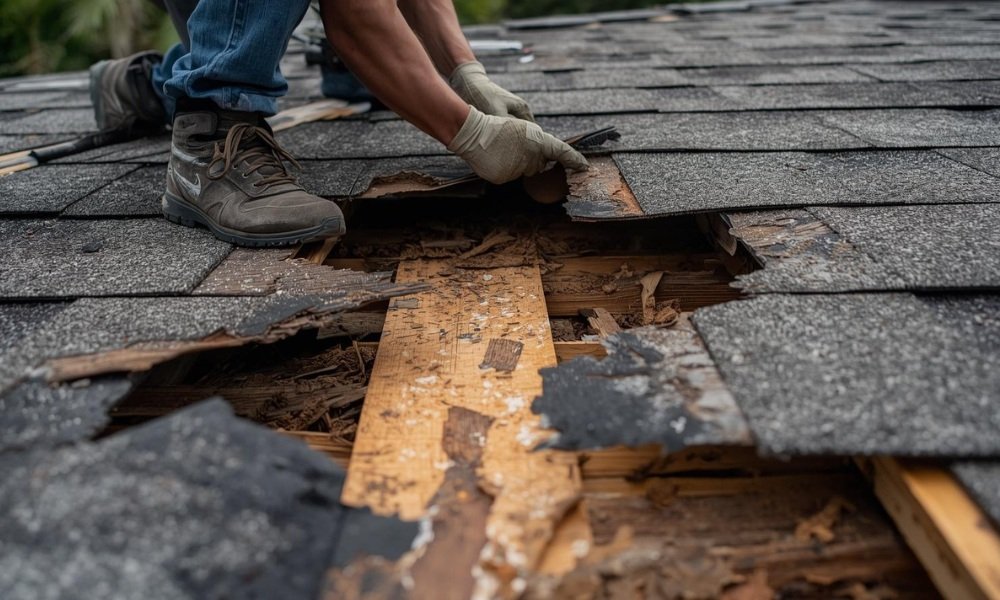
One common hidden cost that can arise during a roofing project is the discovery of rotten decking underneath the shingles. Rotten decking can compromise the structural integrity of your roof and will need to be replaced before a new roof can be installed.
This additional cost for decking replacement is often not included in the initial estimate and can surprise homeowners.
Another hidden cost to watch out for is flashing repair or replacement. Flashing is essential for preventing water leaks around chimneys, vents, and skylights. If the flashing is damaged or improperly installed, it can lead to water damage and costly repairs down the line.
Ensuring the proper installation or replacement of flashing can add to the overall cost of your roofing project.
Many homeowners overlook disposal fees when getting a roof estimate. Disposing of old roofing materials can incur additional costs, especially if there are multiple layers of shingles to be removed. These disposal fees are often not included in the initial estimate and can add up quickly, impacting your overall budget for the project.
Rotten decking refers to the deteriorated or decaying wooden base that supports the roof shingles on a roof. This is a common issue on roofs due to prolonged exposure to moisture, which can cause the wood to rot over time.
During a roof inspection, signs of rotten decking can include sagging or uneven areas on the roof, water stains on the ceiling inside the house, or visible mold or mildew growth. Another indicator is if the roof feels spongy or soft when walked on.
Replacing rotten decking during a roofing project can significantly impact the overall cost. Not only will the cost of the new decking material need to be factored in, but the labor involved in removing the old decking and installing the new one can also increase the total expenses.
Additionally, if the rotten decking has caused damage to other parts of the roof, such as the shingles or underlayment, those components may also need to be repaired or replaced, further adding to the cost of the project.
It’s crucial to address rotten decking promptly to prevent further damage to the roof structure and ensure the longevity of the roof.
Flashing is a crucial component of a roofing system that helps prevent water from seeping into vulnerable areas where two different surfaces meet, such as around chimneys, skylights, vents, and edges. Properly installed flashing ensures that water is directed away from these areas, protecting the roof and the underlying structure from water damage.
Flashing materials can vary depending on the specific needs of the roof and the budget of the homeowner. Common types of flashing materials include:
Improper installation of flashing can lead to hidden costs down the line. If flashing is not installed correctly or is of poor quality, it can lead to water leaks, mold growth, and structural damage. These issues can be costly to repair and may require extensive work to fix the underlying problems caused by the improper flashing installation.
When it comes to roofing projects, disposal fees play a significant role in the overall cost. These fees cover the cost of removing and disposing of the old roofing materials, making space for the new roof installation. Understanding how disposal fees are calculated and what factors influence them can help homeowners budget effectively for their roofing project.
Disposal fees are typically calculated based on the weight of the materials being removed, as well as the distance to the nearest landfill or recycling center. The type of roofing materials, such as asphalt shingles or metal roofing, can also impact disposal fees.
Additionally, local regulations and landfill fees can influence the overall cost of disposal.
What are some common hidden costs on roof estimates?
Common hidden costs on roof estimates include expenses related to rotten decking, flashing issues, and disposal fees that are often not initially factored into the budget.
How can one identify signs of rotten decking during a roof inspection?
Signs of rotten decking during a roof inspection may include sagging rooflines, water stains on ceilings, and soft spots on the roof surface, indicating decay and moisture damage.
What factors influence the calculation of disposal fees in a roofing project?
The size of the roofing project, the type of materials being removed, and the location for waste disposal all play a role in determining the calculation of disposal fees.