
Best Thermal Exterior Wall Cladding for Energy Savings in Australia
Best Thermal Exterior Wall Cladding for Energy Savings in Australia sets the stage for this enthralling narrative, offering readers a glimpse into a story that is rich in detail and brimming with originality from the outset.
Exploring the different types of thermal exterior wall cladding options available in Australia, along with the materials used, their pros and cons in terms of energy efficiency, and cost-effectiveness, opens up a world of possibilities for energy-conscious individuals.
When it comes to thermal exterior wall cladding in Australia, there are several options available, each with its own set of advantages and disadvantages in terms of energy efficiency and cost-effectiveness.
Insulated vinyl cladding is a popular choice for its affordability and low maintenance requirements. It provides decent insulation properties and comes in a variety of colors and styles. However, it may not offer the highest level of energy efficiency compared to other options.
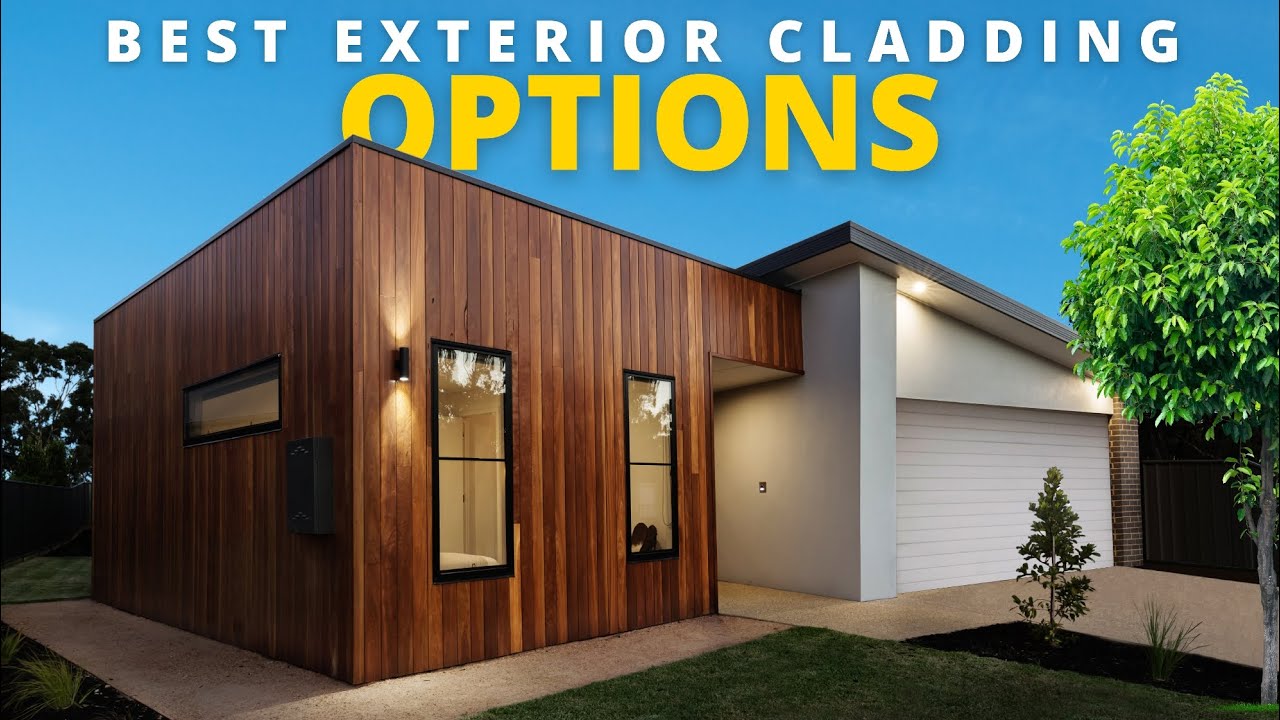
Timber cladding is known for its natural aesthetic appeal and sustainability. It provides good insulation properties and can enhance the overall look of a building. However, timber cladding may require more maintenance over time and can be more expensive than other materials.
Composite cladding is a blend of wood fibers and recycled plastics, offering a durable and low-maintenance option. It provides good insulation and comes in a range of colors and finishes. While initially more costly, composite cladding can offer long-term savings in maintenance and energy costs.
Metal cladding, such as steel or aluminum, is a durable and weather-resistant option. It offers excellent thermal insulation and can be a cost-effective choice in the long run. However, metal cladding may require additional insulation to optimize energy efficiency.
Brick cladding is a classic and durable option that provides excellent thermal insulation properties. It is low maintenance and offers a timeless aesthetic appeal. While brick cladding may be more expensive upfront, it can result in significant energy savings over time.
Thermal exterior wall cladding plays a crucial role in improving energy efficiency in buildings by providing insulation and reducing heat transfer. This helps in maintaining a consistent indoor temperature, reducing the need for heating or cooling systems, and ultimately leading to significant energy savings.When comparing thermal cladding to traditional cladding options, the energy-saving benefits become evident.
Traditional cladding materials like brick or concrete do not offer the same level of thermal insulation as thermal cladding. This results in higher energy consumption to regulate indoor temperatures, leading to increased energy costs.Case studies and real-life examples further highlight the energy savings achieved through thermal exterior wall cladding installations.
For instance, a commercial building in Australia reported a 20% reduction in heating and cooling costs after installing thermal cladding, showcasing the tangible benefits of energy efficiency.
In a commercial building located in Melbourne, Australia, the installation of thermal exterior wall cladding resulted in a significant reduction in energy consumption. The building saw a noticeable decrease in heating and cooling costs, with a 15% decrease in overall energy usage.
This not only led to cost savings for the building owner but also contributed to a more sustainable and environmentally friendly operation.
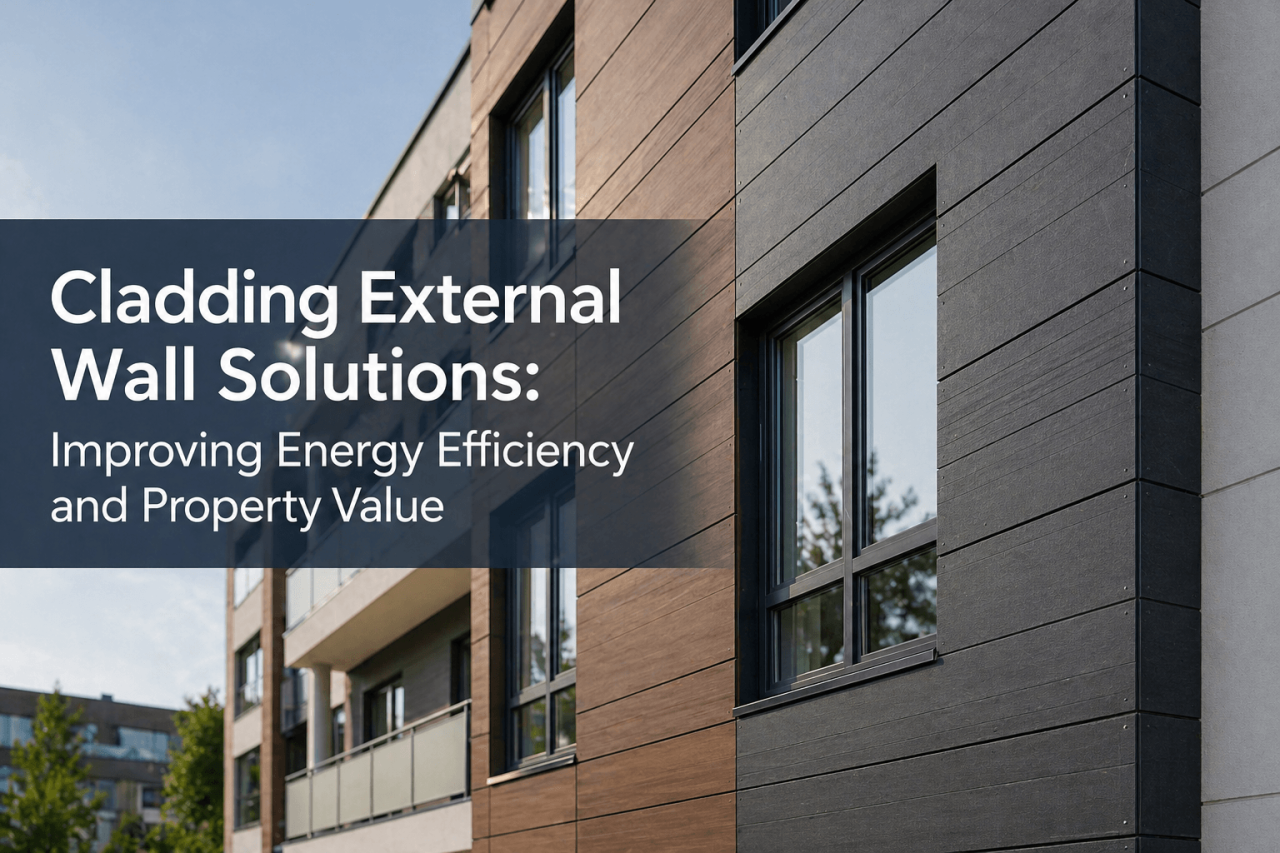
When it comes to choosing the right thermal exterior wall cladding for energy savings in Australia, considering the climate adaptability is crucial. Different regions in Australia experience varying climate conditions, such as hot, cold, and humid climates. The choice of thermal cladding should be tailored to these specific climate zones to ensure optimal energy efficiency and savings.
It is important to select thermal cladding materials that are specifically designed to withstand the unique challenges posed by different climate conditions in Australia.
When it comes to installing thermal exterior wall cladding for maximum energy efficiency, it is crucial to follow best practices to ensure proper insulation and sealing. This will help in reducing heat loss and improving the overall energy performance of the building.
Regular maintenance of thermal exterior wall cladding is essential to ensure long-term energy savings and optimal performance. Neglecting maintenance can lead to issues such as air leaks, moisture infiltration, and reduced insulation effectiveness.
Choosing the right professionals for the installation of thermal cladding systems is crucial to ensure a successful and efficient project. Qualified installers have the expertise and experience to handle the complexities of thermal cladding installation.
What are the common materials used for thermal exterior wall cladding in Australia?
Common materials include insulated vinyl siding, fiber cement, and timber cladding, each offering unique benefits in terms of energy efficiency and aesthetics.
How does thermal exterior wall cladding impact energy savings in hot climates?
In hot climates, thermal cladding helps reduce heat transfer into buildings, leading to lower cooling costs and overall energy consumption.
Is regular maintenance required for thermal exterior wall cladding systems?
Yes, regular maintenance is crucial to ensure the longevity and optimal performance of thermal cladding systems, helping to maximize energy savings in the long run.