
Step-by-Step Breakdown of a Commercial Roof Inspection Report: A Comprehensive Guide
Delve into the world of commercial roof inspection reports with this detailed breakdown. From understanding the purpose to documenting findings, this guide covers it all.
Explore the intricacies of commercial roof inspections and gain valuable insights into maintaining the structural integrity of commercial buildings.
Commercial roof inspection reports play a crucial role in ensuring the safety, longevity, and functionality of a commercial building’s roof. These reports provide a comprehensive assessment of the current condition of the roof, highlighting any areas of concern or maintenance requirements.
Regular roof inspections are essential for commercial buildings to prevent costly repairs, ensure safety, and maintain the structural integrity of the property. By conducting inspections at regular intervals, building owners can address small problems before they escalate into major issues.
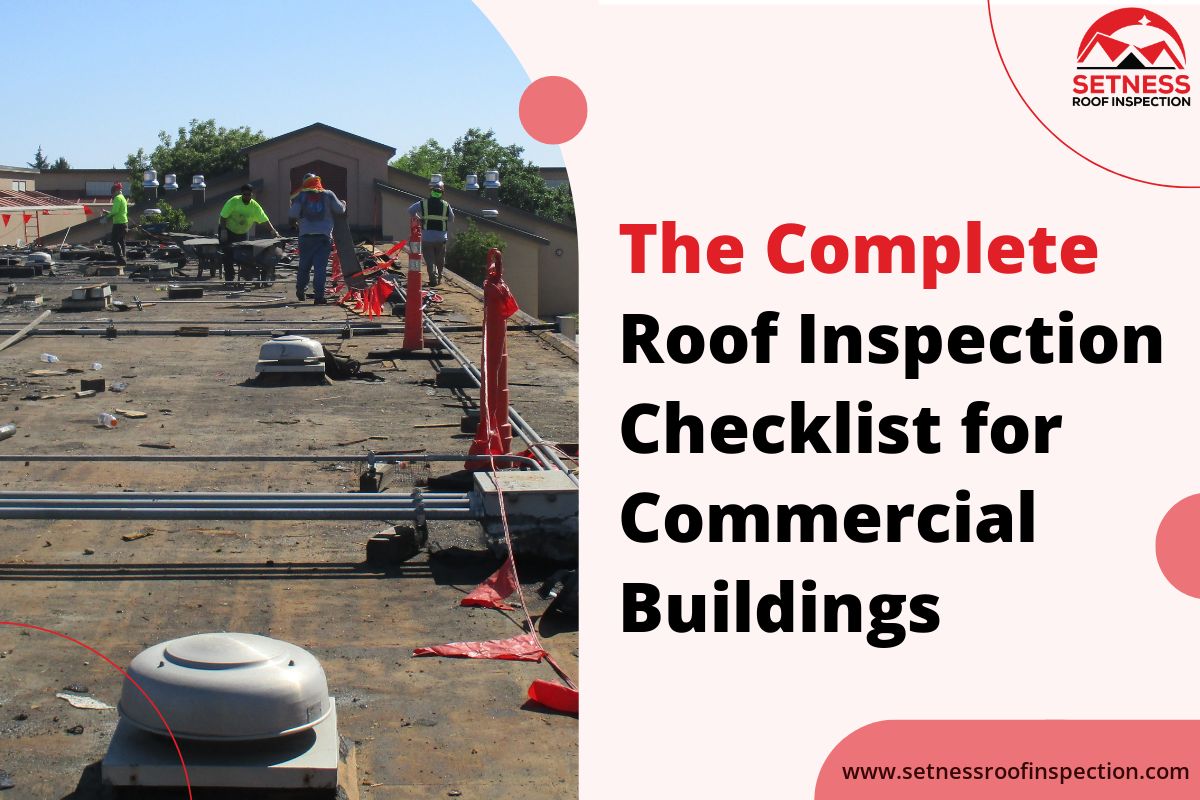
Before conducting a commercial roof inspection, it is essential to adequately prepare to ensure a thorough and efficient assessment of the roof’s condition.
Inspecting the exterior of a commercial roof is a crucial step in a comprehensive roof inspection. This process involves evaluating the condition of the roof covering, flashing, and drainage systems to identify any visible damage or defects that may compromise the roof’s integrity.
When assessing the roof covering, inspectors should look for signs of wear and tear, such as missing, cracked, or curling shingles. It is essential to check for any areas where the covering may be loose or damaged, as these can lead to leaks and water infiltration.
Document any visible damage to the roof covering and make recommendations for repairs or maintenance to ensure the roof’s longevity.
Flashing plays a critical role in preventing water intrusion at vulnerable areas of the roof, such as around chimneys, vents, and skylights. Inspectors should carefully examine the condition of the flashing to ensure it is secure and intact.
Document any issues with the flashing and recommend repairs or replacements as necessary to maintain the roof’s watertight integrity.
Proper drainage is essential for preventing water ponding and prolonging the life of a commercial roof. During the inspection, inspectors should evaluate the condition of gutters, downspouts, and drains to ensure they are clear and functioning correctly.
Document any drainage issues observed during the inspection and recommend maintenance or repairs to prevent water damage and prolong the roof’s lifespan.
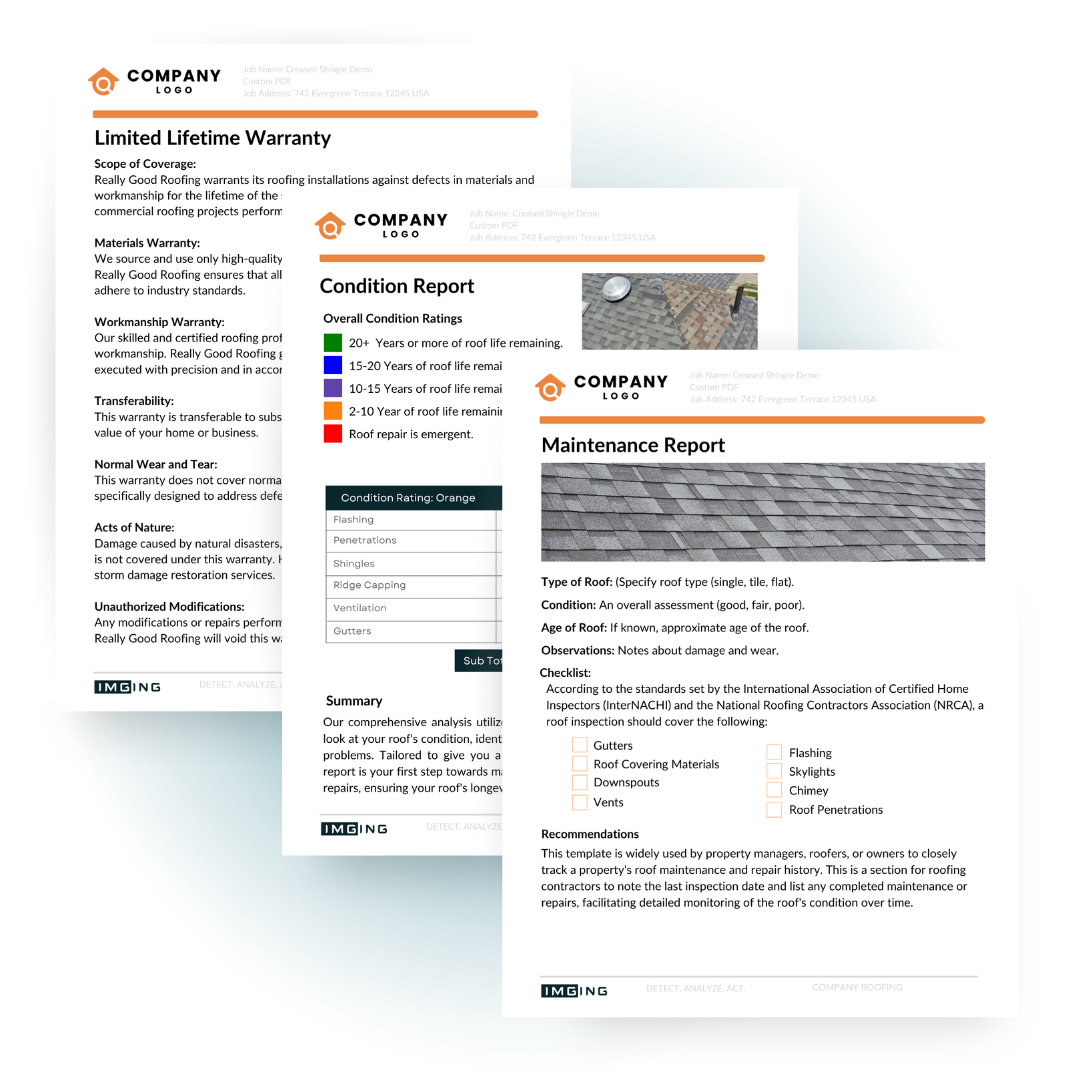
Inspecting the interior of a commercial roof is a crucial step in assessing its overall condition and identifying any potential issues that may affect its performance. This process involves evaluating the areas beneath the roof structure to detect signs of water intrusion, leaks, or structural problems.
When it comes to organizing and structuring the findings in a commercial roof inspection report, it is essential to be clear, concise, and detailed. This helps ensure that all information is accurately documented and easily understood by the client or other stakeholders.
What is the importance of regular roof inspections for commercial buildings?
Regular roof inspections help identify potential issues early on, preventing costly repairs and ensuring the safety of occupants.
How should findings be organized in a commercial roof inspection report?
Findings should be structured in a logical manner, starting with an overview and then detailing specific issues with recommended repairs.
Why is it crucial to include photographs in a roof inspection report?
Photographs provide visual evidence of the condition of the roof and help in understanding the extent of any damage or defects.