
Architectural Shingles vs. Standing Seam Metal: Cost and Valuation Comparison
Exploring the differences between Architectural Shingles and Standing Seam Metal in terms of cost and valuation opens up a world of insights for homeowners and property owners. This comparison delves into the financial aspects of these roofing materials, shedding light on the intricacies of their pricing and worth.
As we navigate through the various aspects of these roofing options, a clearer picture emerges, guiding individuals towards informed decisions when it comes to selecting the right roofing material for their needs.
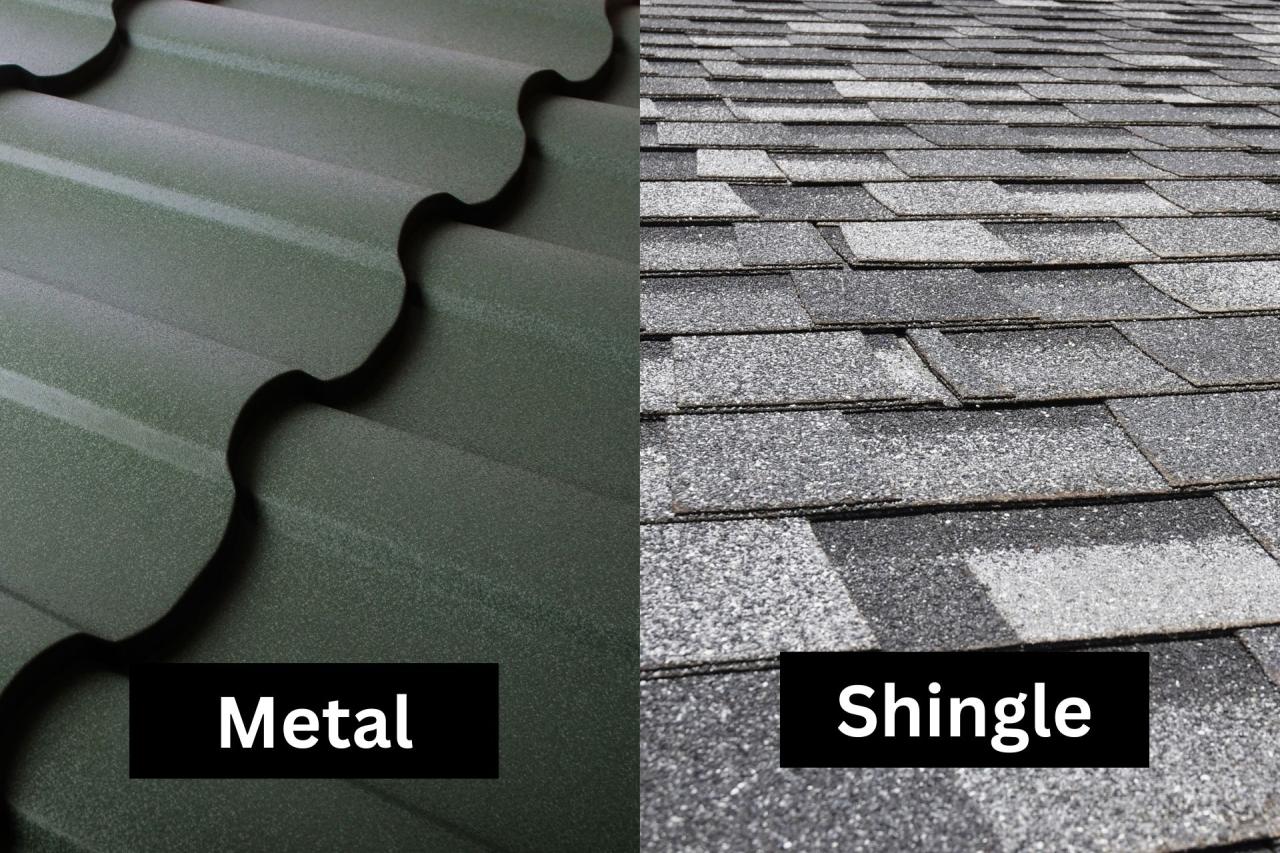
Architectural shingles and standing seam metal roofing are two popular choices for residential and commercial properties. Architectural shingles are asphalt shingles that have a layered, dimensional look, providing a more aesthetic appeal compared to traditional 3-tab shingles. On the other hand, standing seam metal roofing consists of metal panels with raised seams that run vertically along the roof slope, offering a sleek and modern appearance.Comparing the costs and valuation of architectural shingles and standing seam metal roofing is crucial for property owners looking to invest in a new roof.
Understanding the financial implications and long-term value of these roofing materials can help homeowners make informed decisions based on their budget and preferences.
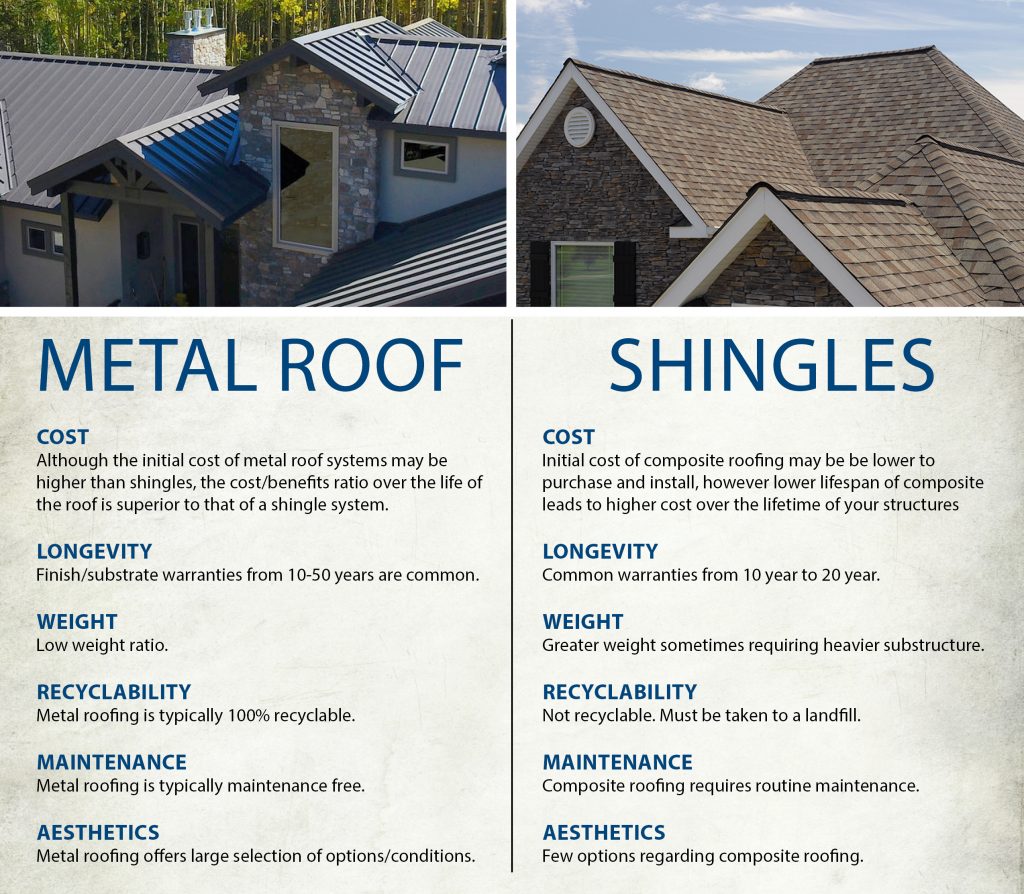
When it comes to cost, architectural shingles are generally more affordable upfront compared to standing seam metal roofing. The cost of architectural shingles can vary depending on factors such as material quality, brand, and installation complexity. On the other hand, standing seam metal roofing tends to have a higher initial cost due to the premium quality of materials and specialized installation techniques required.
In terms of valuation, both architectural shingles and standing seam metal roofing can add value to a property. However, standing seam metal roofing is often perceived as a premium roofing option that can enhance the overall curb appeal and resale value of a home or building.
Standing seam metal roofing is known for its durability, energy efficiency, and modern aesthetic, making it an attractive feature for potential buyers and increasing the market value of a property.
When comparing architectural shingles to standing seam metal roofing, it is essential to consider the cost implications of each option. The costs associated with these materials can vary significantly based on various factors.Architectural shingles are generally more affordable upfront compared to standing seam metal roofing.
The cost of architectural shingles typically ranges from $2.50 to $5.50 per square foot, including both materials and installation. On the other hand, standing seam metal roofing tends to be more expensive, with costs ranging from $7 to $12 per square foot.Factors contributing to the cost differences between architectural shingles and standing seam metal roofing include:
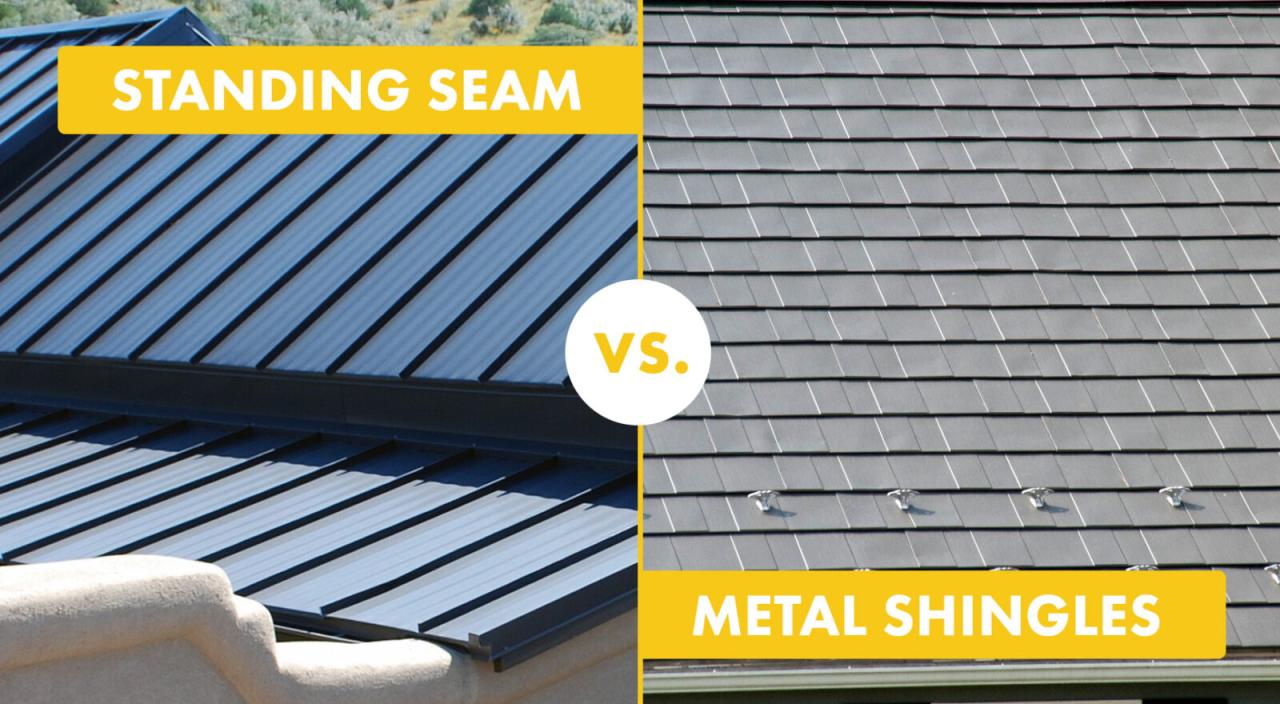
When it comes to the longevity and durability of roofing materials, architectural shingles and standing seam metal have distinct characteristics that impact their overall valuation.
Architectural shingles typically have a lifespan of 15-30 years, depending on the quality of the materials and installation. On the other hand, standing seam metal roofs can last 40-70 years or even longer with proper maintenance. The longevity of standing seam metal significantly surpasses that of architectural shingles, making it a durable long-term investment for homeowners.
The lifespan of a roofing material directly affects its valuation. A longer-lasting roof, such as standing seam metal, may initially come with a higher upfront cost but provides substantial savings over time due to its extended lifespan. Homeowners can avoid the hassle and expense of frequent roof replacements, increasing the overall value of their property.
Additionally, the durability of standing seam metal makes it more resistant to weather elements, reducing the risk of damage and the need for repairs.
When it comes to the aesthetic features of architectural shingles and standing seam metal roofs, there are distinct differences that can greatly impact the overall look of a property. Architectural shingles typically mimic the look of traditional wood shakes or slate tiles, offering a more classic and textured appearance.
On the other hand, standing seam metal roofs have a sleek and modern design, with clean lines and a contemporary feel.
The design of the roofing material plays a significant role in the valuation of a property. Architectural shingles are often preferred for residential homes seeking a more traditional or rustic look, which can potentially increase the curb appeal and overall value of the property.
On the other hand, standing seam metal roofs are popular for modern or industrial-style homes, adding a unique and sophisticated touch that can also enhance the property’s value. Ultimately, the design and aesthetic appeal of the roofing material can significantly impact the perceived value of a property in the eyes of potential buyers or appraisers.
When it comes to the installation and maintenance of roofing materials like architectural shingles and standing seam metal, there are key differences to consider. Let’s delve into the specifics of each.
Are architectural shingles more expensive than standing seam metal?
In general, architectural shingles tend to be more affordable compared to standing seam metal roofs. However, the overall cost can vary depending on various factors such as the size of the roof, installation complexity, and additional features.
Which roofing material offers better longevity, architectural shingles, or standing seam metal?
Standing seam metal roofs are known for their exceptional durability and longevity, outlasting architectural shingles by a significant margin. While architectural shingles can provide adequate protection, standing seam metal is often preferred for its extended lifespan.
What maintenance tasks are required for architectural shingles and standing seam metal roofs?
Architectural shingles may need periodic inspections for damage or wear, along with occasional cleaning to remove debris. Standing seam metal roofs usually require less maintenance, with occasional checks for loose fasteners or sealant integrity.