
Title: Material Shortages and Labor Rates: How They Impact 2026 Roof Estimates
Beginning with Material Shortages and Labor Rates: How They Impact 2026 Roof Estimates, the narrative unfolds in a compelling and distinctive manner, drawing readers into a story that promises to be both engaging and uniquely memorable.
As we delve into the intricacies of material shortages and labor rates in the construction industry, the impact on roof estimates becomes a focal point of discussion.
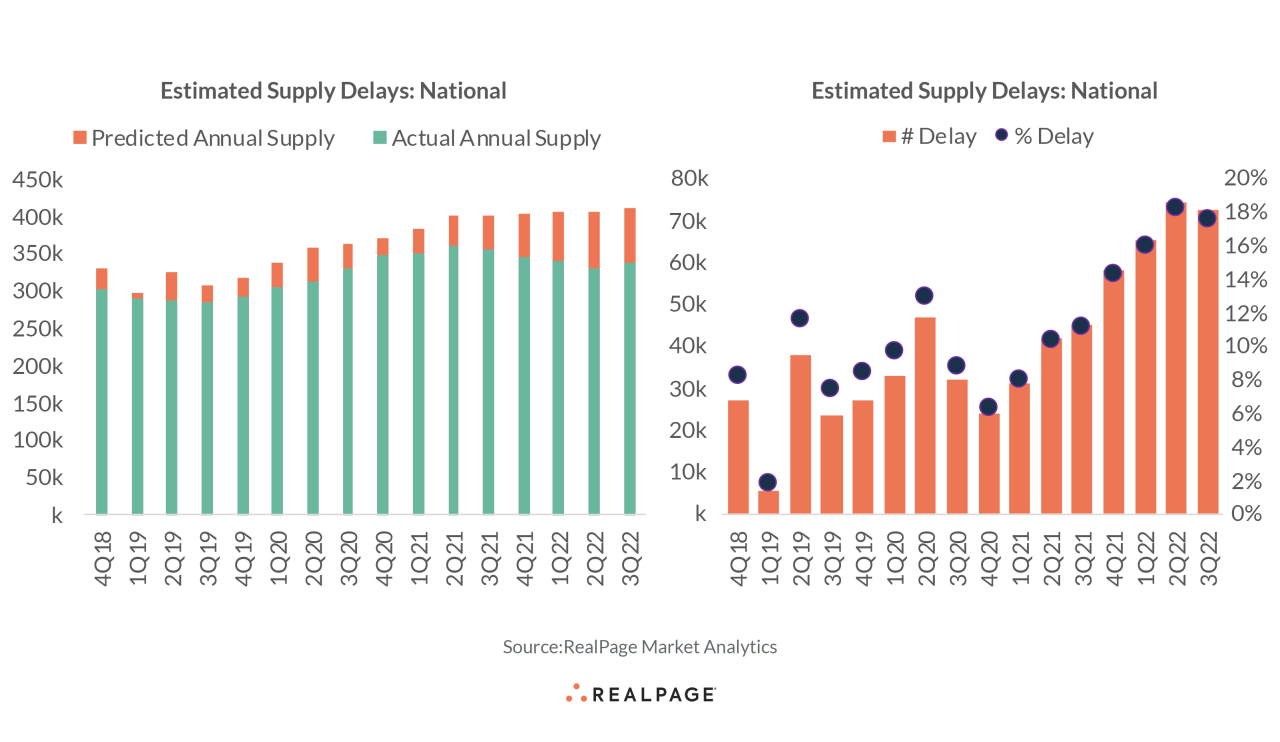
The construction industry is currently facing significant challenges due to material shortages, impacting various aspects of projects, including roof estimates. These shortages are primarily driven by disruptions in the global supply chain, increased demand, and logistical issues.Material shortages have a direct influence on the cost of roofing materials, leading to price spikes and delays in project timelines.
This can result in higher overall project costs and budget uncertainties for both contractors and clients.
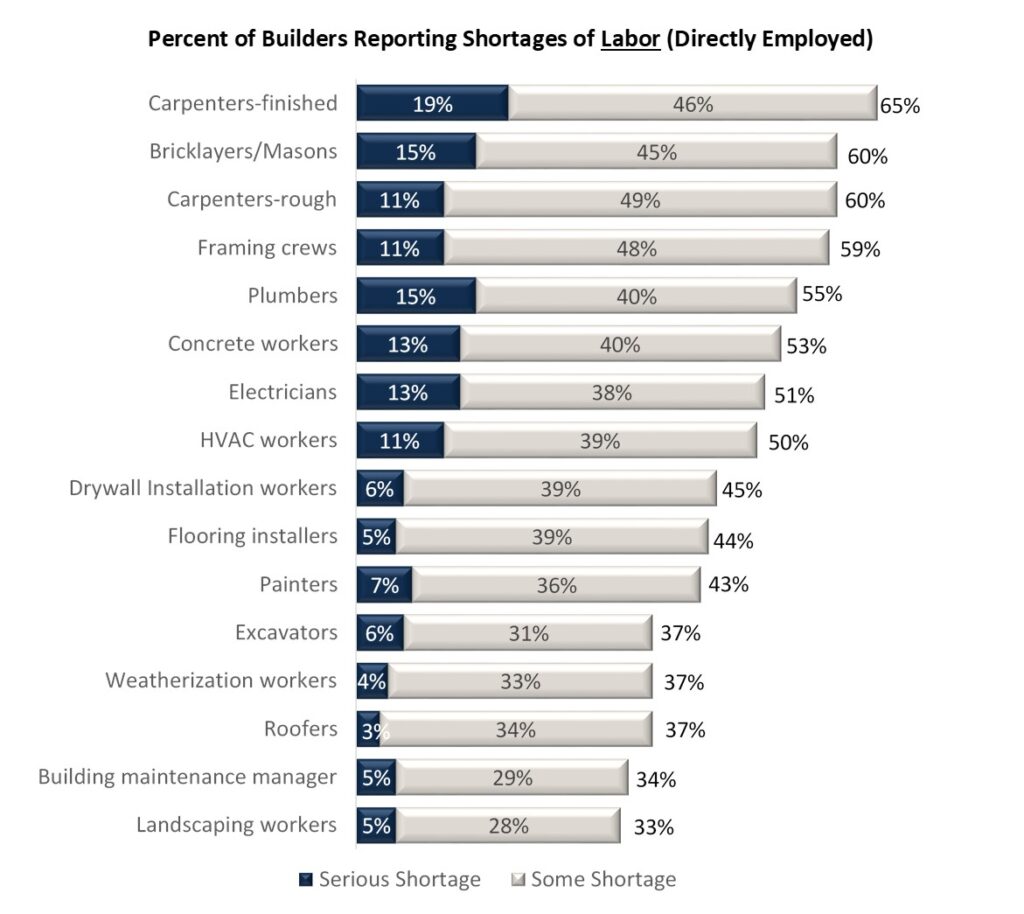
Labor rates play a significant role in determining the overall cost of roofing projects in 2026. Understanding the trends in labor rates within the roofing sector is crucial for accurate estimation and budgeting.Fluctuating labor rates can have a substantial impact on project costs, sometimes even overshadowing the effects of material shortages.
It is essential to consider and factor in these changing labor costs when preparing estimates for roofing projects.
Labor rates in the roofing sector can vary based on factors such as demand for skilled workers, geographic location, and economic conditions. As the demand for roofing services fluctuates, labor rates may also rise or fall accordingly.
While material shortages can cause delays and increase costs, labor rates have a more direct impact on the overall project budget. Labor costs typically account for a significant portion of roofing project expenses, making it essential to closely monitor and adjust estimates based on labor rate trends.
Balancing quality workmanship with labor costs is crucial for ensuring that roofing projects are completed within budget while meeting industry standards.
Fluctuating labor rates can pose a challenge when estimating costs for roofing projects. Roofing contractors need to stay updated on labor rate trends and adjust their estimates accordingly to avoid underestimating or overestimating project expenses.
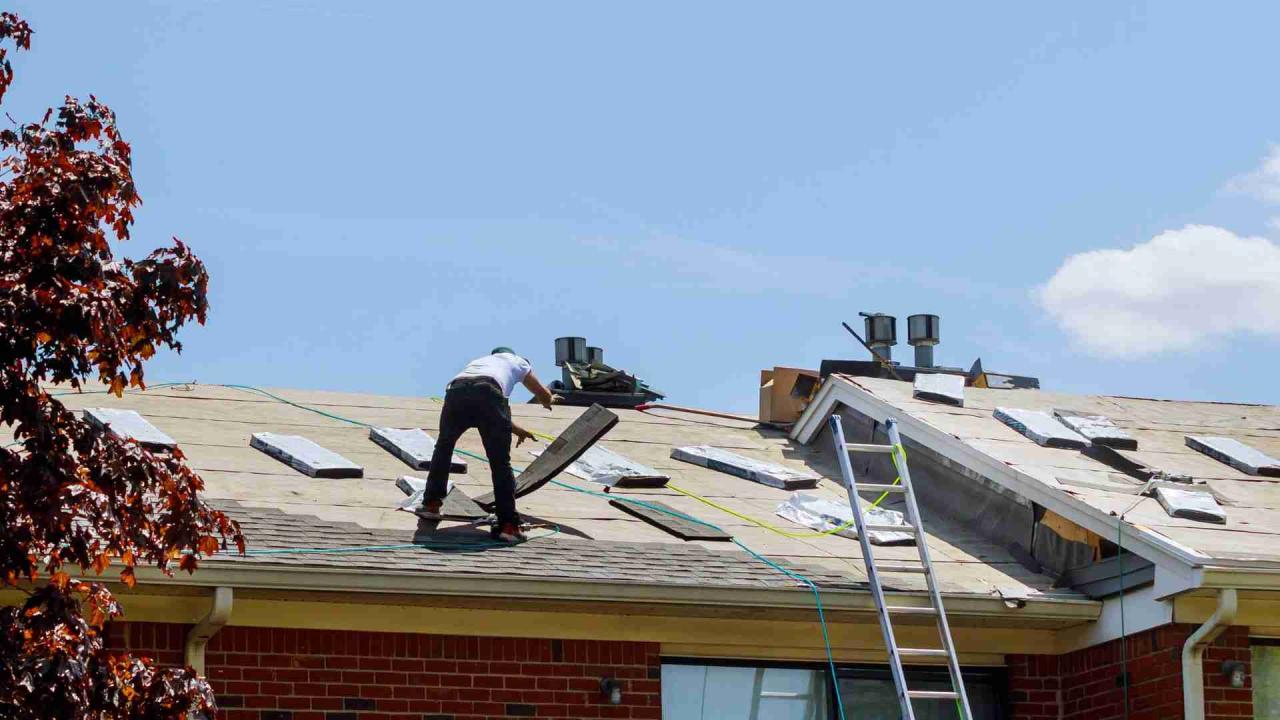
In the roofing industry, it is crucial to have strategies in place to adapt to material shortages and labor rate changes. By being proactive and prepared, contractors can better navigate these challenges and ensure the success of their projects.
When estimating projects, it is important to factor in the possibility of material shortages and labor rate fluctuations. To adjust estimates accordingly, contractors can consider the following:
Negotiating with suppliers can help contractors manage material costs during shortages. Here are some steps to consider:
Having a checklist can help contractors ensure they are considering all factors when estimating projects affected by material shortages and labor rate changes. Some items to include in the checklist are:
Delays caused by material shortages or labor rate changes can have a significant impact on project timelines. Contractors should be prepared to:
How do material shortages affect the cost of roofing materials?
Material shortages can lead to increased prices for roofing materials due to limited supply and higher demand, impacting overall project estimates.
What strategies can contractors employ to mitigate the effects of material shortages?
Contractors can consider alternative materials, pre-order supplies, or establish relationships with multiple suppliers to navigate material shortages effectively.
Are labor rates or material shortages more significant in influencing project costs?
Both labor rates and material shortages play crucial roles in determining project costs, with each factor requiring careful consideration in estimating roofing projects.
How can project timelines be impacted by delays caused by material shortages or labor rate changes?
Delays resulting from material shortages or fluctuating labor rates can extend project timelines, leading to potential cost overruns and logistical challenges.