Understanding Flat Roof Core Sampling and Moisture Surveys: A Comprehensive Guide
Delve into the world of flat roof core sampling and moisture surveys, where precision meets expertise. Uncover the secrets behind assessing roof conditions and maintaining integrity through these essential practices.
Explore the intricate steps involved in core sampling and the significance of moisture surveys in preserving the longevity of flat roofs.
Flat roof core sampling is a critical process used to assess the condition of a flat roof by extracting core samples for analysis. This method helps in determining the composition, moisture content, and potential issues within the roof structure.
During flat roof core sampling, a specialized coring tool is used to extract cylindrical samples of the roof layers, including the membrane, insulation, and decking. These samples are then analyzed in a laboratory to evaluate the condition of the roof and identify any signs of deterioration or moisture infiltration.
The equipment required for flat roof core sampling includes a coring tool, safety gear such as gloves and goggles, a ladder or scaffolding for access, and sample containers for storing the extracted cores. Additionally, a qualified roofing professional or technician should be present to perform the sampling procedure safely and accurately.
Flat roof core sampling is essential for assessing the overall condition of a flat roof and determining the extent of any damage or deterioration. By analyzing core samples, roofing experts can provide valuable insights into the roof’s structural integrity, moisture levels, and potential need for repairs or replacement.
Flat roof core sampling is necessary in situations where there are suspected leaks, moisture intrusion, or visible signs of roof damage. It is also recommended before undertaking any major roof repairs or renovations to ensure that the existing roof structure is in good condition.
Additionally, flat roof core sampling is commonly performed as part of routine roof maintenance to proactively identify and address any issues before they escalate.
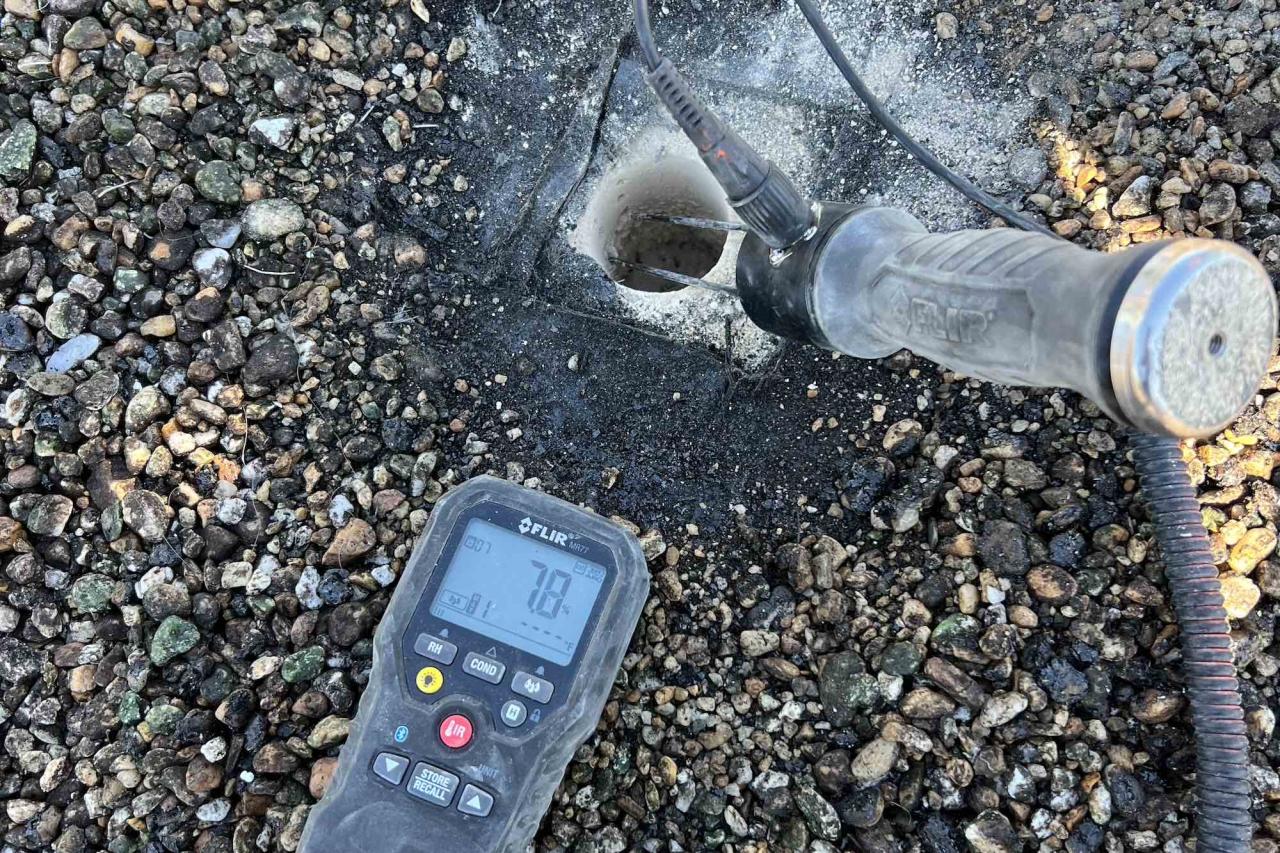
Moisture surveys on flat roofs are crucial for maintaining the integrity of the structure and preventing potential damage. By identifying areas of moisture intrusion early on, necessary repairs can be made to avoid costly repairs or replacements.
Moisture surveys play a vital role in preventing structural damage, mold growth, and insulation deterioration. By addressing moisture issues promptly, the lifespan of the flat roof can be extended, saving on costly repairs in the long run.
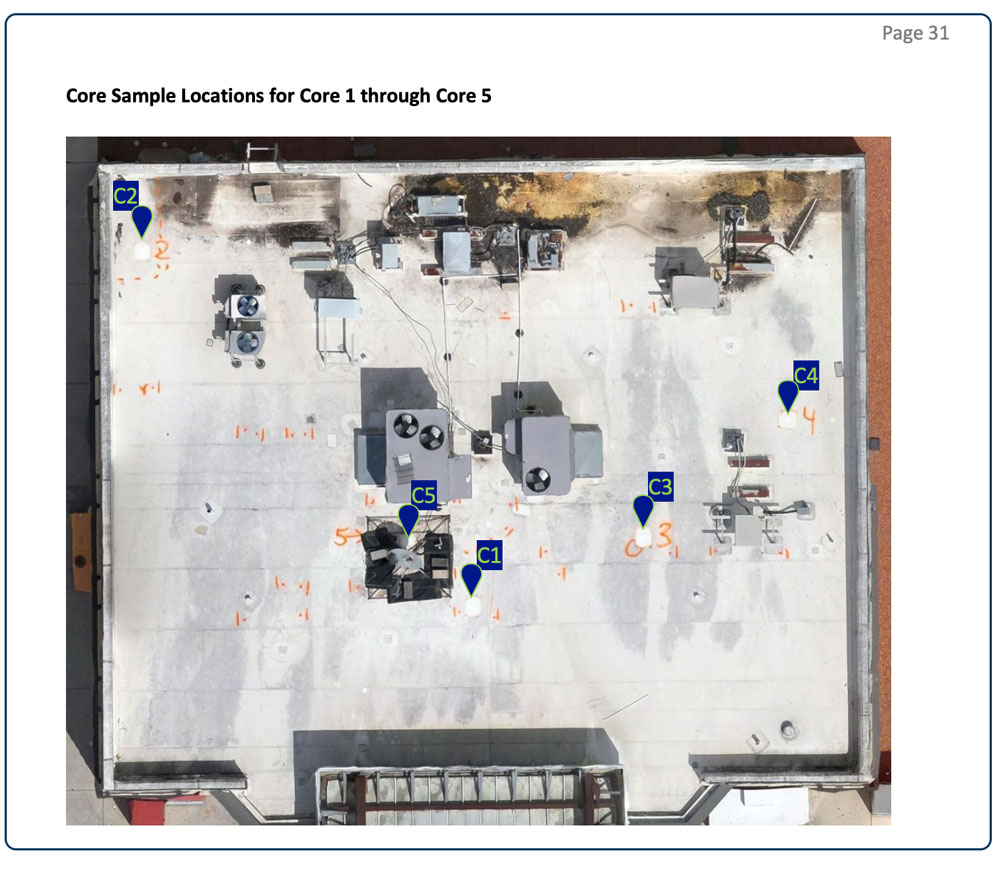
When it comes to interpreting the findings from flat roof core sampling, it is essential to understand the various results that may be obtained and how to analyze them effectively. Let’s delve into the common issues, best practices, and comparisons related to interpreting core sampling results.
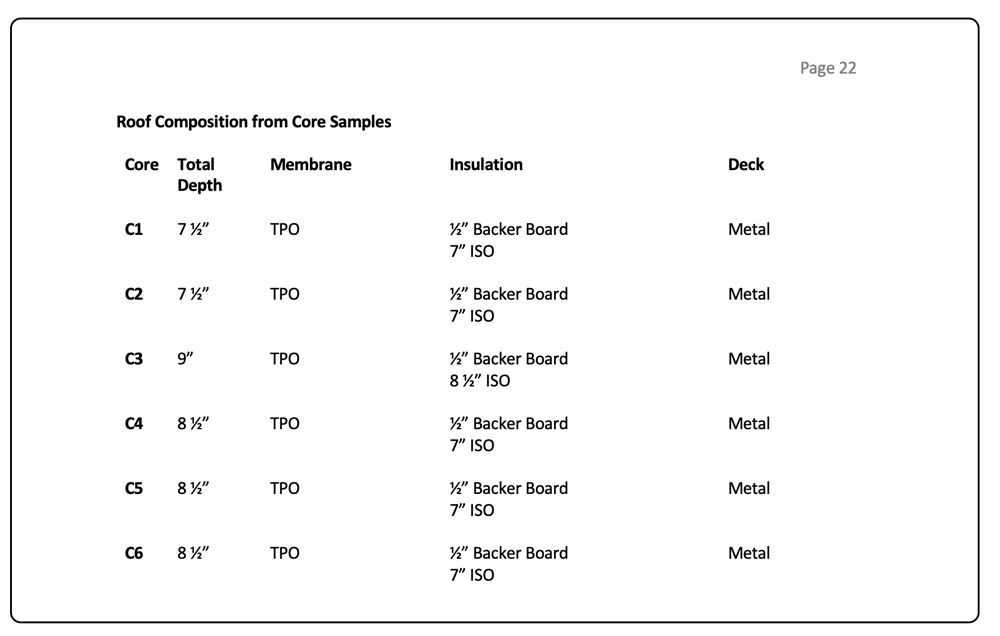
Regular flat roof core sampling and moisture surveys offer several advantages for building owners and facility managers. By conducting these surveys periodically, they can proactively identify potential issues, prevent costly repairs, and extend the lifespan of the roof system.
Moisture surveys help in detecting water intrusion and moisture buildup within the roof system. By identifying these issues early on, building owners can take timely action to repair the roof before significant damage occurs. This proactive approach not only helps in maintaining the structural integrity of the roof but also prevents the development of mold and mildew, which can pose health risks to occupants.
Regular core sampling allows building owners to assess the condition of the roof materials and underlying structure. By analyzing the samples obtained from the core, they can determine the level of moisture content, presence of contaminants, and overall health of the roof system.
In cases where issues are identified, prompt repairs or maintenance can be scheduled to prevent extensive damage and costly replacements.
By conducting regular core sampling and moisture surveys, building owners can implement a proactive roof maintenance plan. This approach helps in addressing minor issues before they escalate into major problems, ultimately saving time and money in the long run. Additionally, by extending the lifespan of the roof through regular inspections and surveys, building owners can avoid premature roof replacements, which can be a significant financial burden.
How often should flat roof core sampling be conducted?
It is recommended to perform core sampling every 5-7 years to assess the roof’s condition accurately.
What are the common tools used for moisture surveys on flat roofs?
Tools such as infrared cameras, moisture meters, and electrical capacitance meters are commonly used for moisture surveys.
Can moisture surveys detect hidden leaks in flat roofs?
Yes, moisture surveys can identify hidden leaks by detecting moisture levels within the roof layers.
Are there any environmental concerns associated with core sampling?
Proper disposal of core samples is essential to prevent any environmental impact, especially if asbestos or other hazardous materials are present.