R-Value Insulation Upgrades During Commercial Roof Replacement: Enhancing Efficiency and Savings
Exploring the realm of R-Value Insulation Upgrades During Commercial Roof Replacement, this introduction aims to captivate readers with a detailed yet accessible overview of this crucial topic. Dive in to discover how enhancing insulation can lead to improved energy efficiency and cost savings in commercial settings.
The following paragraphs will delve deeper into the importance of R-Value, various insulation materials used in commercial roofing, and best practices for incorporating upgrades during roof replacement.
Insulation upgrades play a crucial role in maintaining energy efficiency and reducing heating and cooling costs in commercial buildings. One of the key factors that determine the effectiveness of insulation is the R-Value.
The R-Value of insulation measures its thermal resistance, indicating how well it can resist heat flow. A higher R-Value signifies better insulation efficiency, as it reduces the transfer of heat between the interior and exterior of a building.
Investing in insulation materials with high R-Values can lead to significant energy savings for commercial buildings. By minimizing heat loss in the winter and heat gain in the summer, buildings can maintain a more stable indoor temperature without overworking heating and cooling systems.
Some examples of insulation materials with high R-Values suitable for commercial roofs include spray foam insulation, rigid foam boards, and mineral wool. These materials provide superior thermal performance and help reduce energy consumption.
Upgrading insulation with higher R-Value during roof replacement can result in improved energy efficiency, reduced utility bills, increased comfort for building occupants, and a more sustainable building overall. The initial investment in quality insulation pays off in the long run through lower energy costs and a healthier indoor environment.
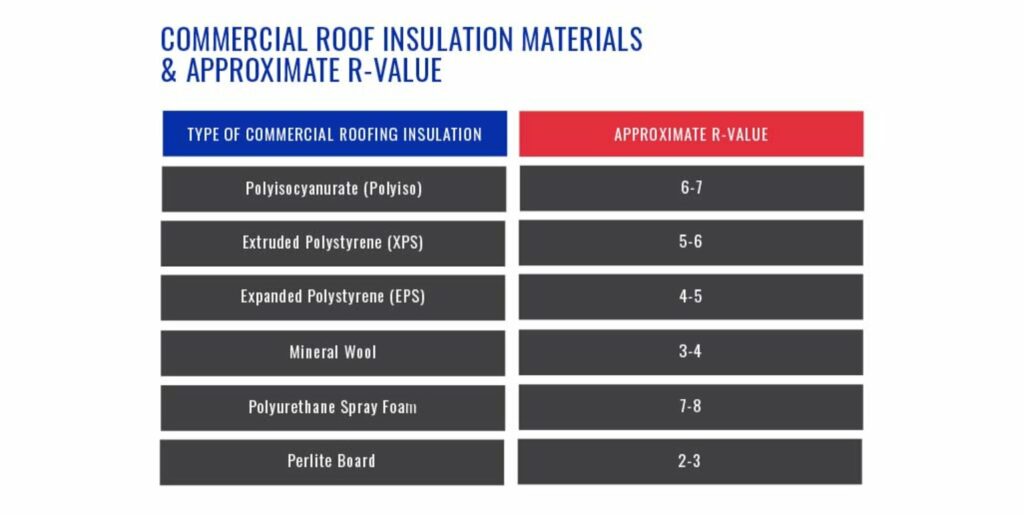
When it comes to commercial roofing, choosing the right insulation material is crucial for energy efficiency and overall performance. Different types of insulation materials offer varying levels of R-Value and installation methods, each with its own set of advantages and considerations.
Spray foam insulation is a popular choice for commercial roofing due to its ability to create a seamless and airtight barrier. It has a high R-Value of around 6.5 per inch, providing excellent thermal resistance. The installation process involves spraying the foam directly onto the roof deck, where it expands and hardens.
While effective, spray foam insulation requires professional installation to ensure proper application and adhesion.
Fiberglass insulation is a common choice for commercial roofs, known for its affordability and ease of installation. It has a moderate R-Value of around 2.2 to 2.7 per inch, offering decent thermal performance. Fiberglass insulation comes in batts or rolls, which are placed between roof joists or rafters.
It is important to install fiberglass insulation properly to avoid gaps or compression that can reduce its effectiveness.
Rigid board insulation, such as extruded polystyrene or polyisocyanurate, is another option for commercial roofing. It has a high R-Value ranging from 4 to 8 per inch, providing excellent thermal efficiency. Rigid board insulation is installed in large panels that are cut to fit and secured to the roof deck.
This type of insulation is durable and resistant to moisture, making it a popular choice for commercial applications.
When considering insulation materials for commercial roofing, durability and maintenance requirements are important factors to keep in mind. Spray foam insulation is durable and requires minimal maintenance once properly installed. Fiberglass insulation is prone to moisture issues if not installed correctly, which can affect its performance over time.
Rigid board insulation is highly durable and resistant to moisture, offering long-term thermal efficiency with minimal maintenance needs.
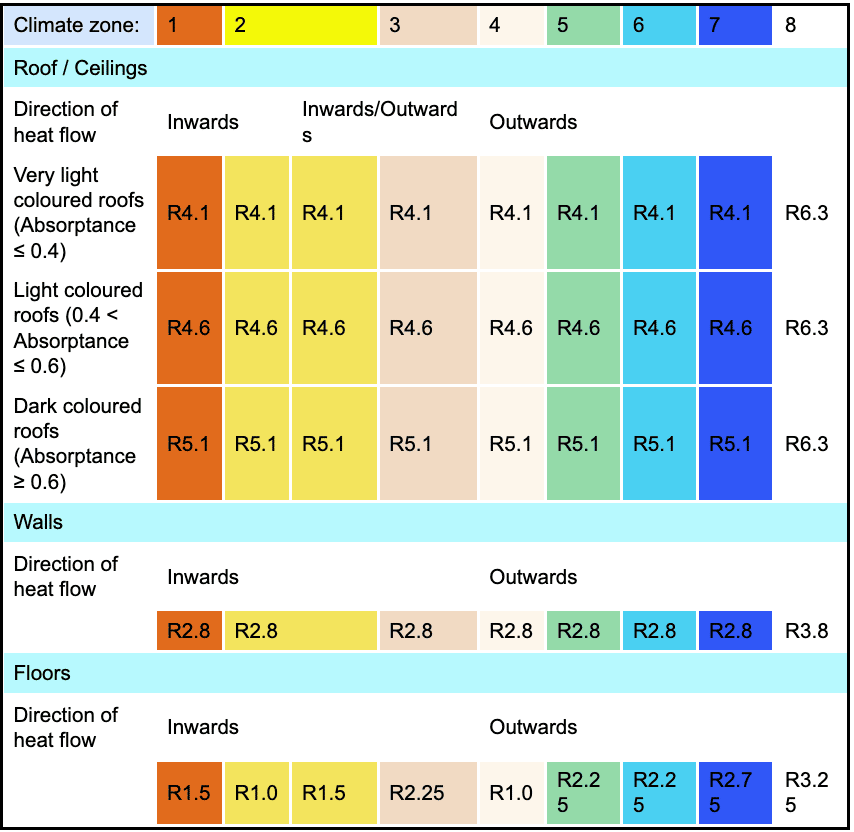
When it comes to integrating insulation upgrades during a commercial roof replacement project, following best practices is crucial to ensure optimal performance and energy efficiency. Here is a step-by-step guide on how to effectively incorporate R-Value insulation upgrades, select the right materials, address potential challenges, and learn from successful case studies.
What is the main role of R-Value in insulation upgrades?
R-Value measures the thermal resistance of insulation, indicating how effective a material is at resisting heat flow.
How do R-Value insulation upgrades impact energy savings in commercial buildings?
By improving insulation efficiency, R-Value upgrades can reduce heating and cooling costs, leading to significant energy savings over time.
Which insulation materials have high R-Values suitable for commercial roofs?
Materials such as closed-cell spray foam, mineral wool, and polyiso insulation are known for their high R-Values ideal for commercial applications.
What are some challenges businesses may face when upgrading insulation during roof replacement?
Challenges may include compatibility issues with existing roofing systems, budget constraints, and selecting the most suitable insulation material for specific climate conditions.