
Commercial Roof Replacement Return on Investment for Commercial Landlords
Starting off with Commercial Roof Replacement Return on Investment for Commercial Landlords, this introduction aims to provide a captivating overview of the topic, highlighting the importance of commercial roof replacement and its impact on property value and tenant satisfaction.
This paragraph sets the stage for a detailed discussion on factors influencing ROI, calculating ROI, and real-life case studies showcasing successful roof replacement projects.
Commercial roof replacement is a crucial investment for commercial landlords as it plays a significant role in maintaining the overall value and functionality of their properties. A well-maintained roof not only enhances the aesthetic appeal of a building but also provides protection against weather elements, ensuring the safety and comfort of tenants.
Replacing an old or damaged roof with a new one can greatly enhance the value of a commercial property. A new roof improves the overall appearance of the building, making it more attractive to potential tenants or buyers. Additionally, a new roof signifies that the property is well-maintained and can potentially increase the property’s market value.
A well-maintained roof can have a positive impact on tenant satisfaction and retention. Tenants are more likely to be satisfied with their space if they feel safe and protected from leaks or other roofing issues. By investing in a new roof, commercial landlords can ensure that their tenants are comfortable and happy, leading to higher tenant retention rates and positive word-of-mouth referrals.
When it comes to commercial roof replacement, there are several key factors that can significantly impact the return on investment for landlords. Understanding these factors is crucial in making informed decisions regarding roof upgrades.
Choosing the right roofing material is essential in determining the durability and cost-effectiveness of a commercial roof replacement. Various materials such as asphalt, metal, and single-ply membranes offer different levels of longevity and maintenance requirements. While metal roofs are known for their durability and longevity, they may come with a higher upfront cost compared to asphalt roofs.
On the other hand, single-ply membranes like TPO or EPDM are cost-effective options that provide good durability and energy efficiency.
Opting for energy-efficient roofing options can lead to long-term savings for commercial landlords. Energy-efficient roofs, such as cool roofs or green roofs, can help reduce heating and cooling costs by improving insulation and reducing heat absorption. Investing in these types of roofs not only lowers energy bills but also enhances the overall sustainability of the building, attracting environmentally conscious tenants.
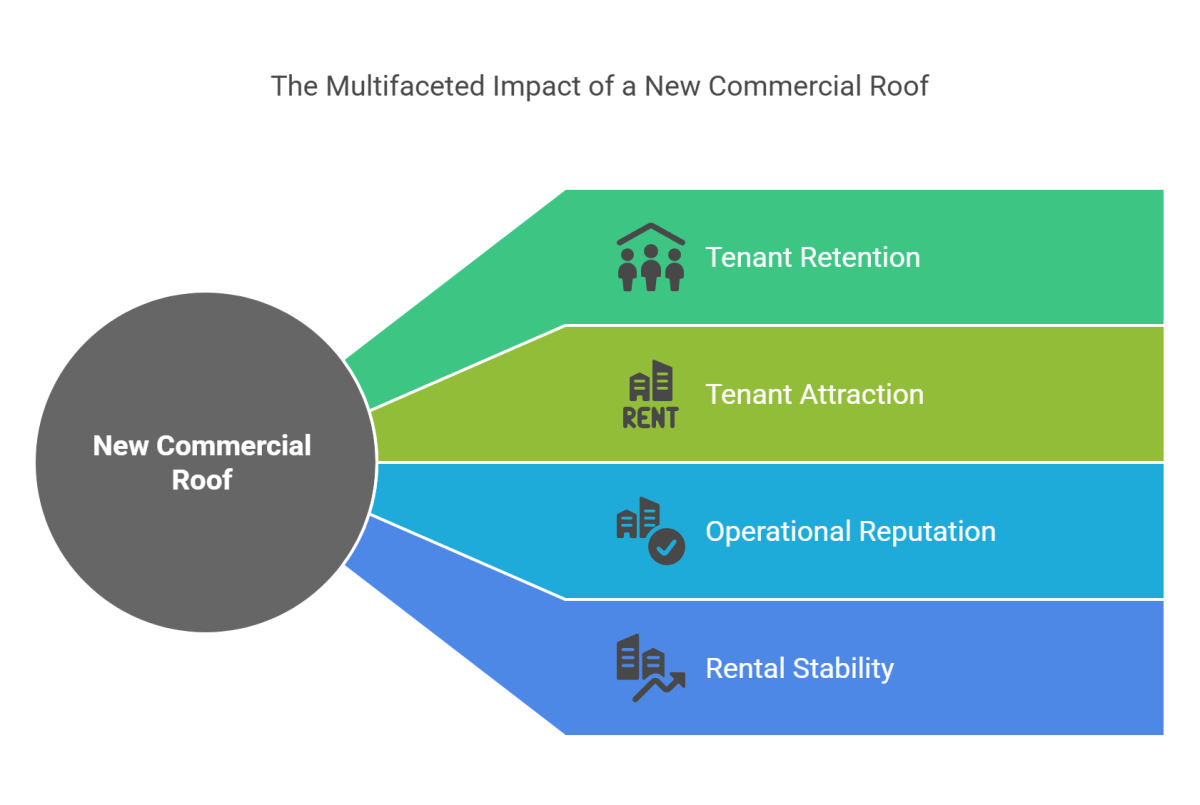
When it comes to determining the return on investment for a commercial roof replacement project, there are several key factors to consider. Understanding the lifespan of the new roof, potential maintenance costs, and energy savings can all play a significant role in calculating the financial benefits of this investment.
Considering the lifespan of a new roof is crucial, as a longer-lasting roof will require less frequent replacements and repairs, ultimately reducing maintenance costs. Additionally, energy-efficient roofing materials can lead to savings on heating and cooling costs over time, contributing to the overall return on investment.
ROI = (Net Profit / Cost of Investment) x 100
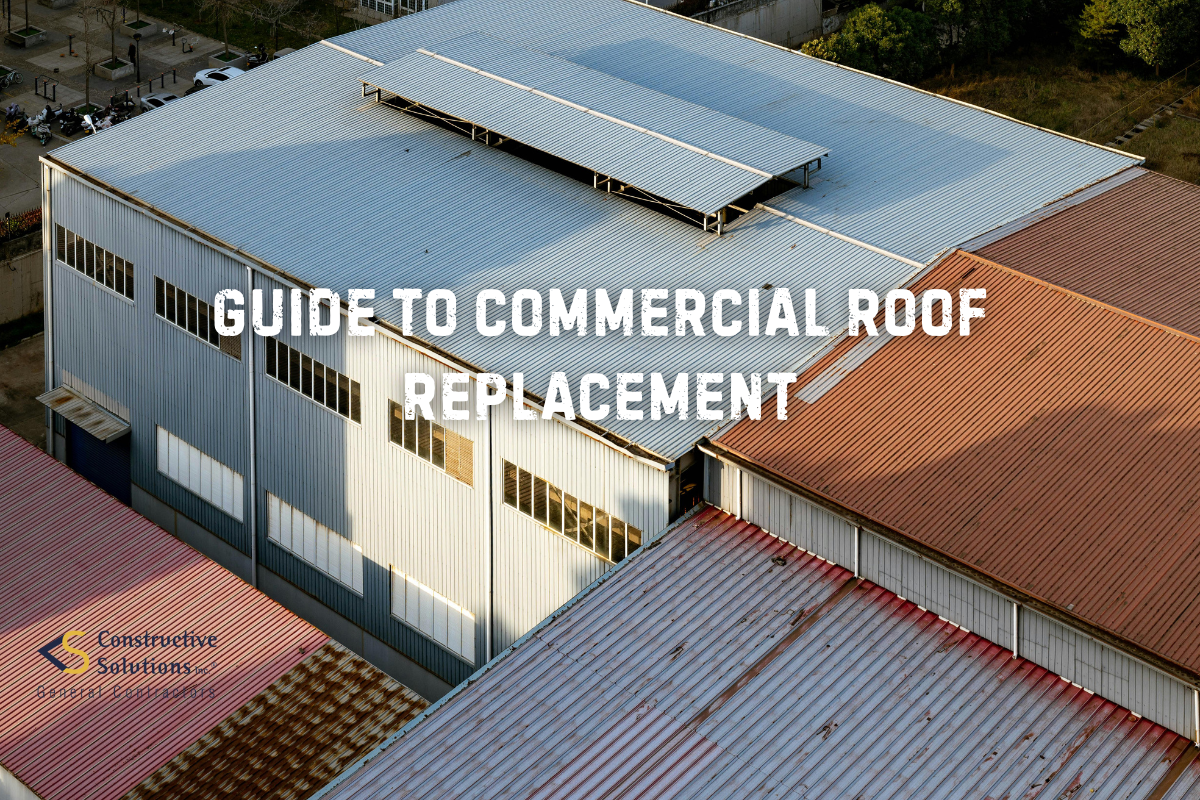
Commercial landlords across various industries have implemented strategic roof replacement decisions that have led to significant returns on investment. These success stories showcase the impact of innovative roofing solutions on property value and rental income, ultimately resulting in increased profitability for commercial properties.
In a case study involving a retail center with an aging roof, the landlord decided to invest in a complete roof replacement using a durable and energy-efficient roofing system. This decision not only resolved existing leaks and maintenance issues but also enhanced the overall appearance of the property.
As a result, the retail center attracted higher-quality tenants and experienced an increase in rental income by 15% within the first year post-replacement.
Another success story involves an office building owner who opted for a roof upgrade to incorporate green roofing technologies, such as solar panels and cool roofing materials. By leveraging these innovative solutions, the landlord was able to reduce energy costs and attract environmentally conscious tenants willing to pay premium rents.
This strategic decision not only improved the property’s sustainability credentials but also boosted the building’s value by 20% in just two years.
In a unique case, an industrial warehouse landlord undertook a roof retrofit project to install a white reflective membrane roofing system. This simple yet effective upgrade reduced cooling costs significantly, making the warehouse more attractive to potential tenants seeking energy-efficient spaces.
With reduced operating expenses and increased tenant demand, the landlord achieved a remarkable ROI of 25% within the first year of completing the roof retrofit.
What are the benefits of commercial roof replacement for landlords?
Commercial roof replacement can enhance property value, improve tenant satisfaction, and lead to long-term cost savings through energy efficiency.
How do different roofing materials impact ROI?
Different roofing materials vary in durability and cost-effectiveness, affecting the overall return on investment for commercial landlords.
What methods can landlords use to calculate ROI for roof replacement projects?
Landlords can consider factors like lifespan, maintenance costs, and energy savings to accurately calculate the return on investment for commercial roof replacement.