How Wind Uplift Ratings Affect Commercial Roofing Material Selection
As How Wind Uplift Ratings Affect Commercial Roofing Material Selection takes center stage, this opening passage beckons readers with an engaging overview of how wind uplift ratings play a crucial role in determining the best roofing materials for commercial buildings.
From factors influencing wind uplift ratings to the impact on building codes and cost implications, this topic delves into the intricacies of selecting the right roofing material for optimal performance and durability.
Wind uplift ratings play a crucial role in determining the suitable commercial roofing material for a building. Several factors impact these ratings, influencing the overall structural integrity and safety of the roof.
The shape and height of a building significantly affect wind uplift ratings. Taller buildings with complex shapes are more prone to higher wind pressures, requiring roofing materials with stronger resistance to uplift forces.
The geographic location of a building can also impact wind uplift ratings. Buildings situated in areas prone to strong winds, such as coastal regions or open plains, may require roofing materials with higher wind uplift ratings to withstand the intense wind loads.
The slope and orientation of the roof play a crucial role in determining wind uplift ratings. Steeper roof slopes tend to experience lower uplift forces compared to flat roofs, while the orientation of the roof relative to prevailing wind directions can also influence wind uplift performance.
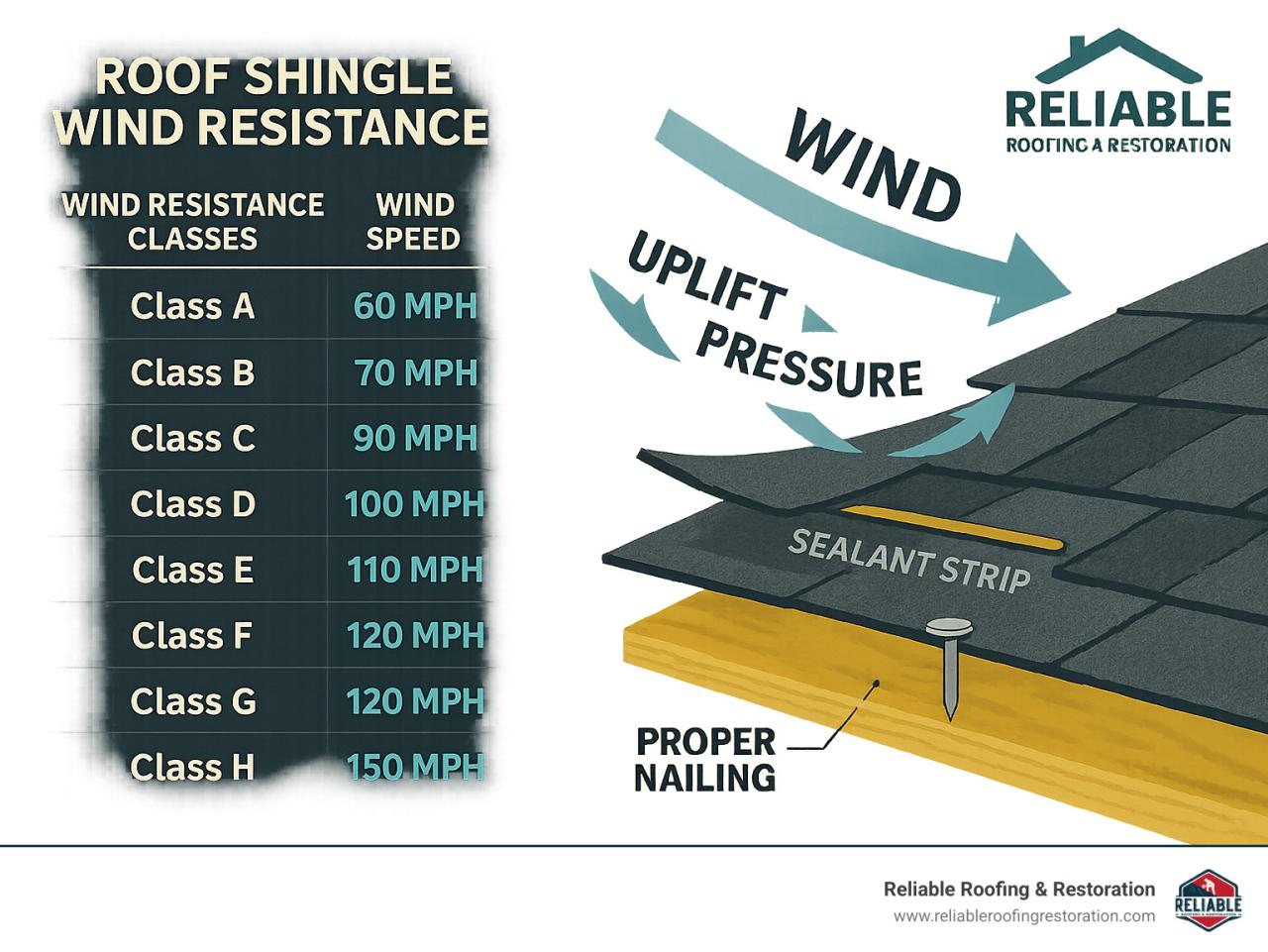
When it comes to commercial roofing, choosing the right material with the appropriate wind uplift rating is crucial to ensure the longevity and durability of the roof. Different roofing materials offer varying levels of resistance to wind uplift, which can impact the overall performance and safety of the building.
Proper installation is key to maximizing the wind uplift resistance of a roofing material. Improper installation can weaken the roof’s ability to withstand strong winds, leading to potential damage and safety hazards.
Building codes and regulations play a crucial role in influencing the selection of roofing materials based on wind uplift ratings. These codes are put in place to ensure the safety and structural integrity of buildings, especially in areas prone to high winds and severe weather conditions.
Local building authorities are responsible for enforcing wind uplift requirements in accordance with building codes. They review and approve building plans to ensure that the chosen roofing materials meet the necessary wind uplift ratings to withstand potential wind forces.
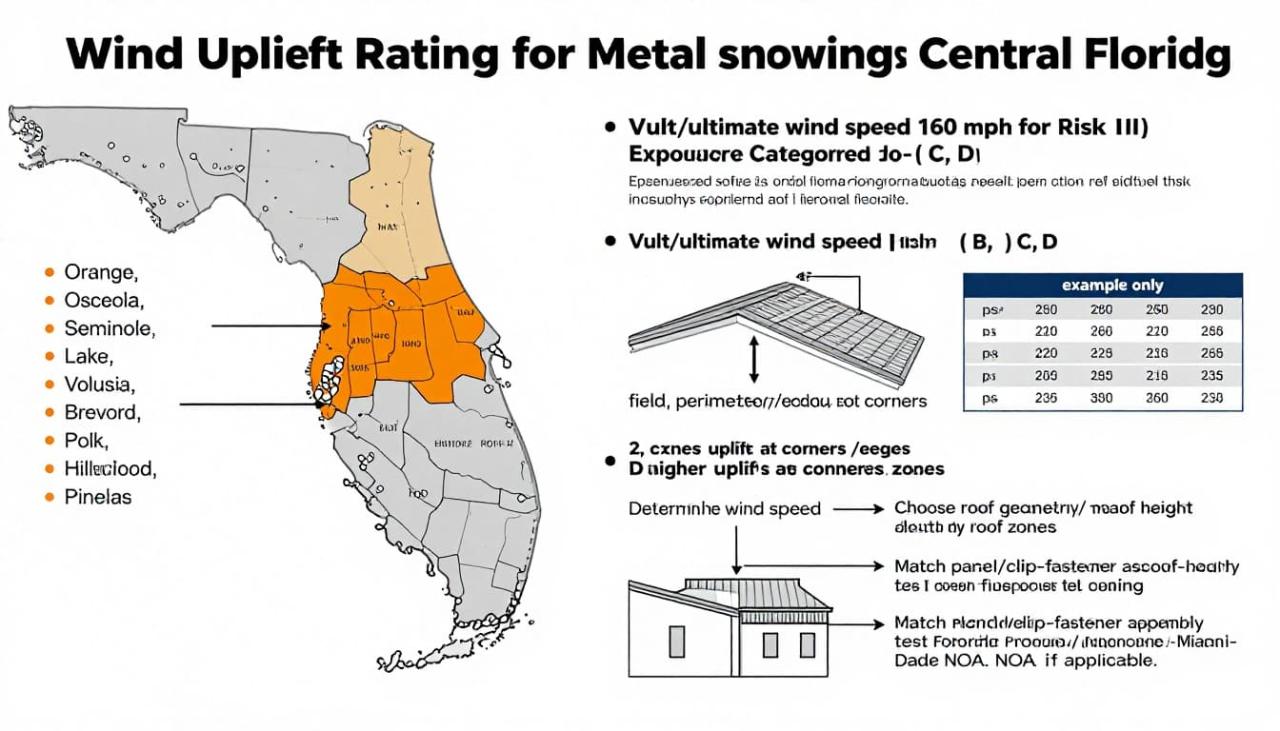
Specific wind uplift rating requirements are Artikeld in building codes to ensure that roofs can withstand different wind speeds and pressures. These requirements are typically determined based on the geographic location and wind zone classification of the building site.
Compliance with wind uplift ratings significantly affects the overall building design, especially the roofing system. Design considerations such as roof shape, slope, and attachment methods are influenced by the need to meet wind uplift requirements.
Designing a roof system to comply with wind uplift ratings may involve incorporating additional reinforcement, fasteners, or adhesives to enhance the roof’s resistance to wind forces.
When it comes to selecting roofing materials for commercial buildings, the wind uplift rating plays a crucial role in determining both the initial cost and long-term maintenance expenses. Let’s delve deeper into how wind uplift ratings can impact the overall cost of a roofing project.
The wind uplift rating of a roofing material can directly affect its initial cost. Materials with higher wind uplift ratings often come at a premium price due to the advanced engineering and quality of materials used to achieve higher resistance against strong winds.
While these materials may cost more upfront, they provide added protection and durability, which can result in cost savings over the lifespan of the roof.
Investing in higher wind uplift rated materials can lead to lower long-term maintenance and replacement costs. Roofing materials with superior wind resistance are less likely to sustain damage during severe weather events, reducing the need for frequent repairs or premature replacements.
This can result in significant cost savings over the years, making them a cost-effective choice in the long run.
There are several cost-effective roofing materials available in the market that offer adequate wind uplift ratings without breaking the bank. For example, asphalt shingles, metal roofs, and modified bitumen roofs are all affordable options that provide good wind resistance and durability.
These materials strike a balance between cost and performance, making them popular choices for commercial roofing projects.
When selecting roofing materials, it’s essential to strike a balance between cost and wind uplift performance. While it may be tempting to opt for the cheapest option available, investing in higher wind uplift rated materials can pay off in the long term by reducing maintenance and replacement costs.
Consider the climate and location of the building, as well as the potential risks of high winds, to make an informed decision that aligns with your budget and performance requirements.
How do building shape and height impact wind uplift ratings?
Building shape and height can influence wind uplift ratings by affecting the flow of wind around the structure, potentially increasing or decreasing the pressure on the roof.
What are some examples of cost-effective roofing materials with adequate wind uplift ratings?
Materials like TPO and EPDM are known for their cost-effectiveness while still offering good wind uplift ratings, making them popular choices in commercial roofing.
How does compliance with wind uplift ratings affect the overall building design?
Compliance with wind uplift ratings impacts building design by influencing the choice of materials, structural considerations, and the overall resilience of the roof against high winds.